Insulation Estimating in Frisco
Accurate thermal and acoustic insulation takeoffs to meet strict Texas energy codes. Tailored to Collin County requirements.
Meeting the Texas energy code (IECC) requires increasingly complex insulation systems - and what that actually means varies significantly by climate zone within the state. Houston and the Gulf Coast sit in IECC Climate Zone 2, while most of the rest of Texas falls in Zone 3, with El Paso in Zone 3 and the Panhandle pushing into Zone 4. The minimum R-values required for walls, roofs, and floors aren't the same across these zones, and an insulation estimate built on one zone's requirements will either under-specify code compliance or over-price material for the project's actual location.
Our insulation estimating services confirm the applicable IECC climate zone and energy code minimum before pricing thermal scope, not after a plan review flags a compliance gap.
Insulation Scopes We Estimate
Thermal Insulation
Fiberglass batts, blown-in cellulose, open-cell and closed-cell spray foam (SPF), and rigid board (XPS/EPS/Polyiso). We calculate square footage and required thickness to achieve the specified R-value for the actual climate zone, not a national average. Spray foam is priced by volume (board-feet at the specified thickness) rather than a flat square-foot rate.
Acoustic Insulation
Sound attenuation batts (SAB) in interior partitions, acoustic ceilings, and specialty soundproofing materials. On Texas multifamily, hospitality, and healthcare projects - all building types where STC (Sound Transmission Class) ratings matter to occupancy permits - acoustic insulation is a significant scope item, not an afterthought.
Mechanical and Plumbing Insulation
Pipe insulation (fiberglass, elastomeric/Armaflex), duct wrap, and duct board. This is often priced as part of the mechanical package but can be broken out for specialty insulation contractors, sized to the correct material and thickness for the pipe operating temperature and application.
Firestopping and Safing
Mineral wool safing at curtain wall slab edges, and firestopping sealants at MEP penetrations through fire-rated assemblies - both frequently underestimated scope items on multi-story commercial and multifamily projects.
Why Climate Zone Changes the Insulation Takeoff
A blended Texas insulation estimate that applies one R-value requirement statewide will miss code compliance in some locations and over-specify material in others. The difference between Zone 2 (Houston) and Zone 3 (most of Texas) requirements for attic insulation alone is meaningful enough to affect material cost on a mid-size residential or commercial project. We confirm the zone before pricing so the estimate reflects what's actually required, not a statewide average that's wrong everywhere equally.
Software and Standards
Insulation takeoffs are built in Bluebeam and Planswift, with R-value and minimum thickness requirements verified against the IECC energy code for the applicable Texas climate zone, and acoustic insulation priced against STC-rated assembly requirements where specified.
Building in Frisco: What Changes the Estimate
Frisco Construction Market Overview
Frisco has transformed from a suburban bedroom community into a massive economic center. The market is defined by explosive, high-end growth: the "$5 Billion Mile" (The Star, Frisco Station, Hall Park), the new PGA of America headquarters, Universal Studios development, and sprawling luxury residential communities.
Estimating in Frisco means dealing exclusively with premium construction. The city demands high architectural standards, extensive landscaping, and top-tier infrastructure.
Frisco Permitting & Aesthetics
The City of Frisco has some of the most stringent development and aesthetic standards in Texas. Commercial projects face strict masonry requirements (often 80-100% brick/stone facade), concealed rooftop equipment mandates, and heavy landscaping ordinances. Our estimates ensure these premium, code-mandated materials are fully quantified so your bid isn't caught short.
Our Process for Frisco Projects
We review the COMcheck/REScheck reports and architectural details to confirm required R-values and assemblies.
Digital measurement of exterior walls, roofs, and exposed floors to calculate thermal insulation areas.
Identifying and measuring interior partitions that require acoustic or fire-safing insulation.
Calculating square footage for batts/board, and board-feet or cubic volumes for spray foam.
Frequently Asked Questions
How do you estimate spray foam?
Spray foam is estimated by volume, typically measured in "board feet" (1 square foot at 1 inch thick). We calculate the total square footage of the area and multiply by the specified thickness to determine the total board feet required, which dictates the number of chemical sets needed.
Do you include air and weather barriers?
Yes. Unless specified otherwise, our building envelope estimates include the specified weather resistant barrier (Tyvek, fluid-applied membranes) and required flashing tapes/sealants.
Do you estimate mechanical pipe insulation?
Yes. We calculate the linear footage of pipe by size and temperature application (chilled water vs. hot water) to determine the correct thickness and jacket type of insulation required.
Do your estimates account for Frisco's strict exterior masonry rules?
Yes. We carefully review the exterior elevations against Frisco's zoning requirements to ensure the estimate captures the premium cost of required brick, stone, or architectural concrete, rather than cheaper alternatives.
Can you estimate large-scale sports or entertainment facilities?
Yes, we have experience estimating complex commercial and institutional projects, including the specialized structural steel, stadium seating, and high-end hospitality finishes common in Frisco's entertainment developments.
Sample Projects Across Texas
Recent takeoffs and estimates delivered for Texas contractors.
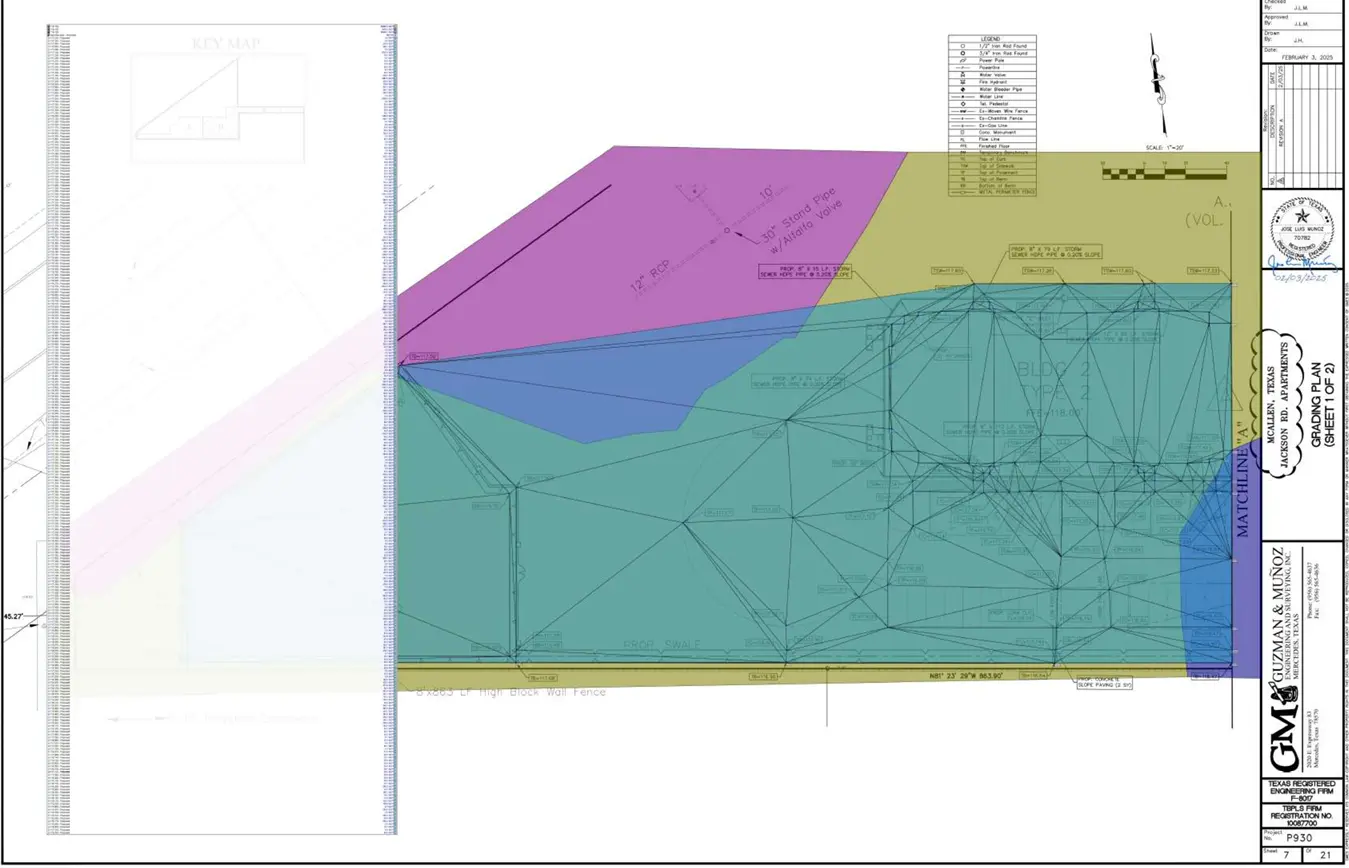
Civil Sitework & Excavation
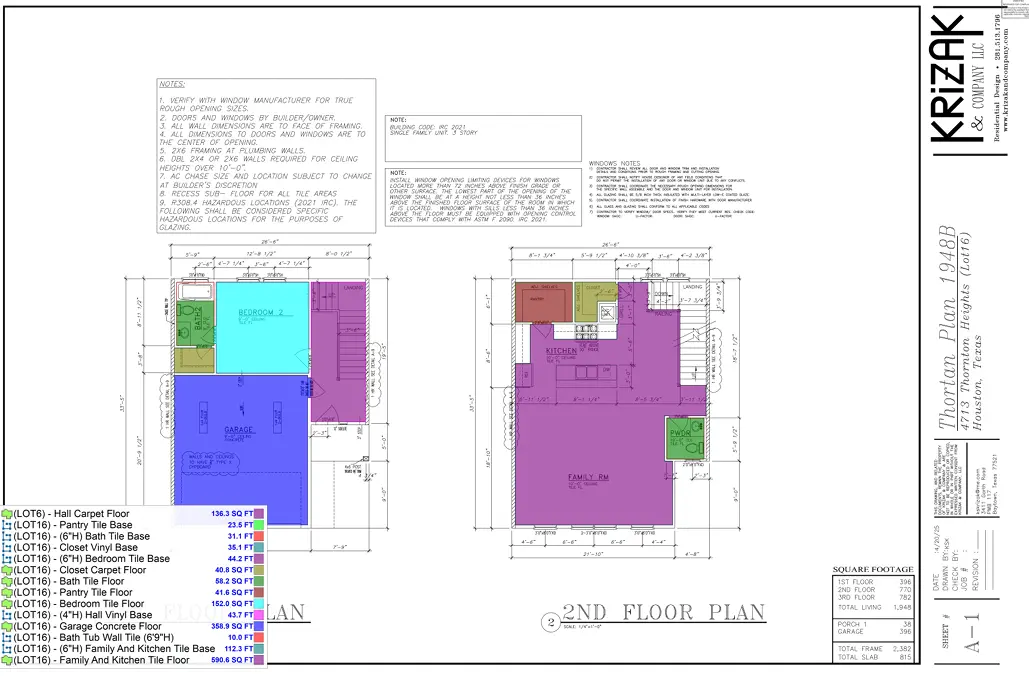
Office Building Flooring Project