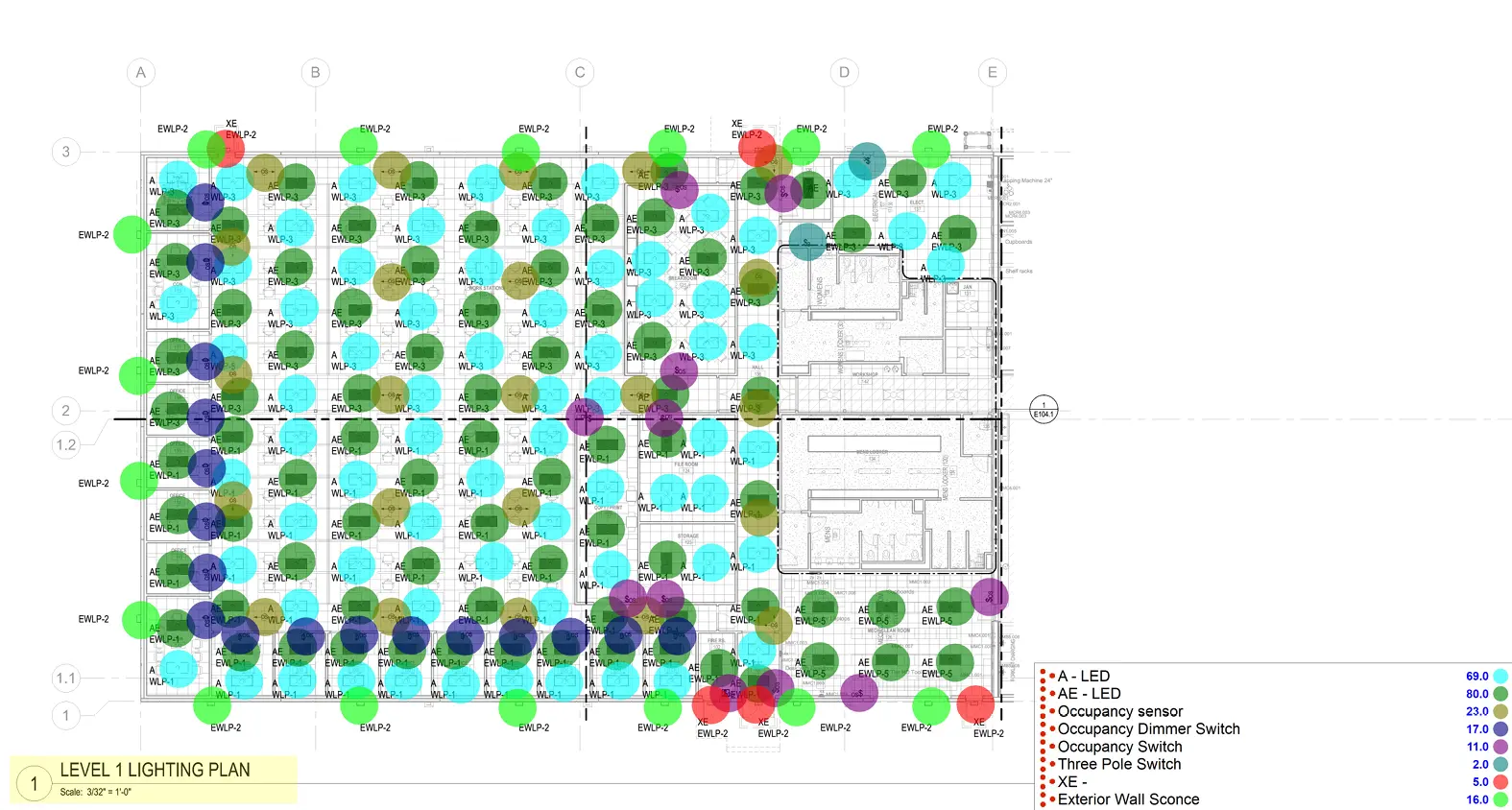
Roofing Estimating in Garland
Precise material takeoffs for retail roofing and Xactimate scope reconciliation for Texas hail claims. Tailored to Dallas County requirements.
Texas has led the nation in hail events for over a decade running, and it isn't close - the Insurance Information Institute and state insurance data consistently place Texas at or near the top for both hail frequency and total hail-related claims, with North Texas metros like Dallas-Fort Worth among the highest-claim-frequency zones in the country. That single fact splits Texas roofing estimating into two genuinely different disciplines: new-construction and retail replacement roofing, priced against material and labor like any other trade, and insurance restoration roofing, priced to reconcile against an adjuster's scope sheet - a different estimating problem with different rules.
New Construction and Retail Roofing Estimates
For new builds, re-roofs, and retail replacement work, a roofing estimate is built the way most material takeoffs are:
- Roof area, measured in squares (100 sq ft units), calculated from the roof plan with a pitch multiplier applied for slope a 6/12 pitch roof has meaningfully more actual surface area than its footprint suggests, and pricing off footprint alone under-counts material.
- Material takeoff shingles, underlayment, flashing, ridge and hip caps, and ventilation components, quantified with a waste factor appropriate to the roof's complexity (a simple gable roof wastes far less material than a roof with multiple valleys and dormers).
- Tear-off and disposal for replacement work, existing roof removal and disposal is priced as its own scope, since it's frequently underestimated relative to install labor.
- Underlying deck condition flagged as an allowance where deck condition can't be confirmed until tear-off, since discovering rotted OSB decking mid-project is one of the most common roofing change orders.
Insurance Restoration Roofing Estimates
Hail and wind damage claims work differently. The estimate has to reconcile against an insurance adjuster's scope, usually written in Xactimate, and account for things a standard retail estimate doesn't need to code-required upgrades triggered by the repair (matching materials, ice-and-water shield requirements not present in the original roof), and documentation detailed enough to support a supplement request if the adjuster's initial scope missed damage. If most of your roofing estimating work is insurance-driven, our dedicated Xactimate Estimating Services page covers that workflow specifically it's different enough from retail estimating to warrant its own process.
Why the Texas Hail Market Changes How Roofing Gets Estimated
In a hail-heavy market, roofing contractors are estimating two very different jobs that both start with "roof estimate": a homeowner replacing a roof on their own schedule and budget, and a homeowner whose roof damage is being adjudicated by an insurance carrier on a claims timeline. The second one requires the estimate to speak the adjuster's language matching Xactimate line-item codes, documenting hail impact patterns (bruising, granule loss) in a way that supports the claim, and pricing code-upgrade items (like ice-and-water shield now required by current code but absent from the original roof) that a standard retail estimate wouldn't need to flag at all.
Roofing by Material Type
- Asphalt shingle (standard and Class 4 impact-resistant, increasingly requested in hail-prone Texas markets for the insurance premium discount many carriers offer)
- Metal roofing (standing seam and exposed fastener)
- Low-slope/flat membrane roofing (TPO, EPDM, modified bitumen)
- Tile and specialty roofing
Software and Standards
Roofing takeoffs are built in Bluebeam, EagleView, and Planswift, and insurance restoration estimates are prepared directly in Xactimate to match adjuster scope format. Material and installation practices are referenced against NRCA (National Roofing Contractors Association) technical guidelines and applicable IRC/IBC roofing provisions for the project's jurisdiction, alongside data from the Insurance Information Institute (III).
Building in Garland: What Changes the Estimate
Garland Construction Market Overview
Garland features one of the largest manufacturing sectors in Texas. The construction market here is a mix of heavy industrial facility expansion, warehousing along the I-30 and I-635 corridors, and significant revitalization and renovation of its established residential neighborhoods.
Estimating in Garland requires expertise in industrial process facilities-understanding heavy power requirements, equipment foundations, and industrial MEP systems-as well as competitive pricing for suburban commercial and retail developments.
Garland Permitting
The City of Garland Building Inspection department oversees construction. A unique aspect of Garland is its municipal utility, Garland Power & Light (GP&L). Our electrical estimates account for the specific utility interconnection requirements and fees associated with GP&L, which can differ from standard Oncor requirements in the rest of DFW.
Our Process for Garland Projects
Confirm whether the project is a retail/new build requiring a material takeoff, or an insurance claim requiring Xactimate.
Measure roof footprint and apply correct pitch multipliers to determine true surface area in squares.
Quantify all underlayment, flashing, ventilation, and shingles with appropriate waste factors.
For claims, identify required code upgrades (e.g., ice-and-water shield) often missing from adjuster scopes.
Frequently Asked Questions
Do you provide estimates for insurance claims, or only retail roofing bids?
Both retail and new-construction estimates are priced as standard material and labor takeoffs, while insurance restoration estimates are built to reconcile against an adjuster's Xactimate scope. Let us know which you need so the estimate is built the right way from the start.
How is roof area calculated if the roof has a steep pitch?
Roof area is calculated from the roof plan with a pitch multiplier applied a steeper roof has significantly more actual surface area than its footprint, and pricing off footprint alone consistently under-counts material on anything steeper than a low-slope roof.
Does a roofing estimate include tear-off and disposal, or just new material and installation?
For replacement work, tear-off and disposal are priced as their own line item, since they're commonly underestimated relative to installation labor.
Do you estimate manufacturing facility expansions?
Yes. We estimate industrial plant expansions, accounting for heavy equipment foundations, process piping, specialized industrial ventilation, and upgraded electrical services.
Can you estimate commercial renovations and adaptive reuse?
Absolutely. We provide detailed estimates for converting older commercial or industrial spaces, accounting for demolition, structural modifications, and bringing older buildings up to current ADA and fire codes.
Sample Projects Across Texas
Recent takeoffs and estimates delivered for Texas contractors.
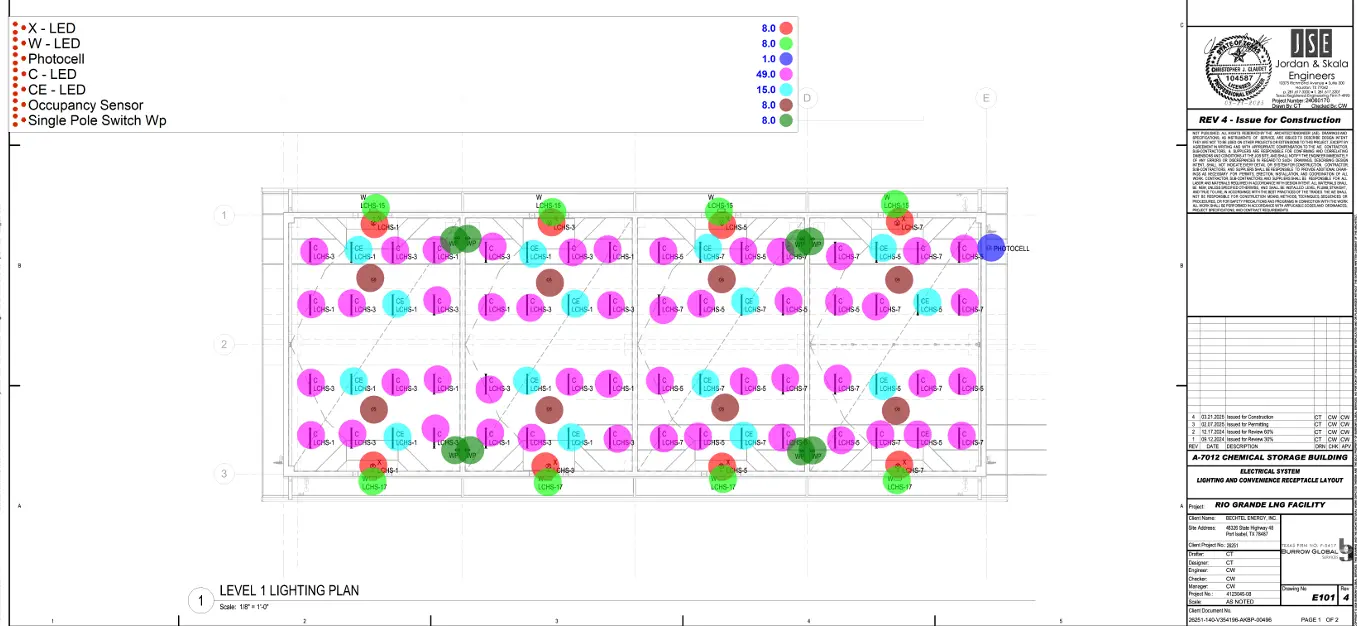
Industrial Warehouse Wiring
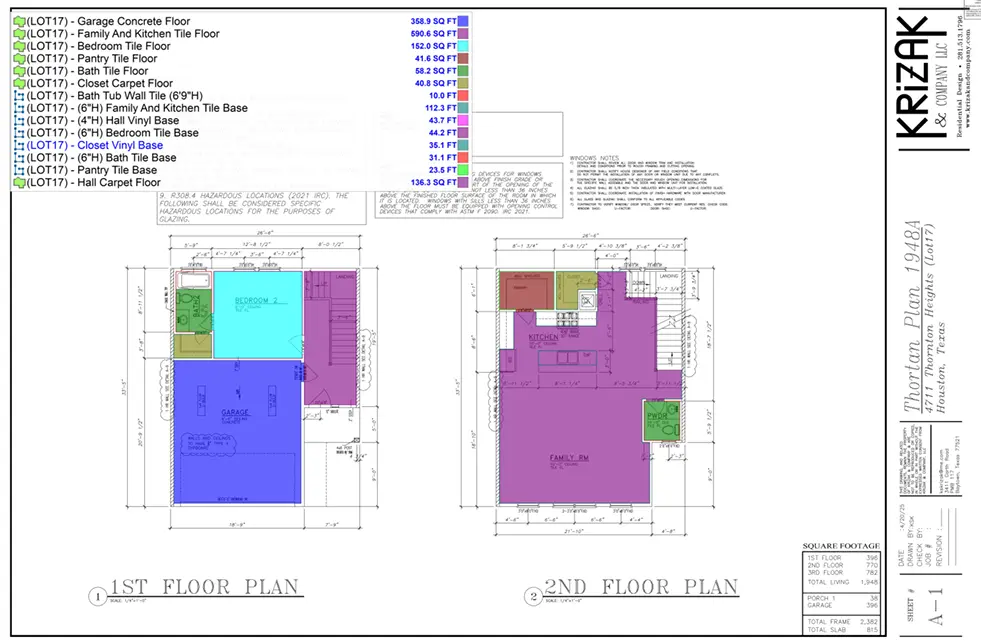
Residential Flooring Project