Renovation Estimating in Houston
Renovation estimates that account for the unknowns - because existing buildings never match the drawings perfectly. Tailored to Harris County requirements.
The Challenge of Renovation Estimating
Every experienced contractor knows that renovation projects carry more risk than new construction. Existing conditions rarely match the original drawings (if drawings even exist). Hidden structural issues, undocumented electrical work, asbestos, lead paint, water damage, and code-compliance upgrades can all surface once demolition begins - and every one of them costs money.
Our renovation estimating process is designed to identify and price as many of these risks as possible before construction starts, and to include appropriate contingencies for the ones that can't be seen until work begins.
Renovation-Specific Estimating Factors
- Demolition and disposal: Selective demolition requires careful sequencing and often involves hazardous material handling. We estimate demo scope, labor, and disposal costs based on the specific conditions of your project.
- Structural modifications: Removing walls, adding openings, and changing load paths require engineering and often involve temporary shoring that adds cost beyond the permanent work.
- Code upgrades: Renovation work often triggers code compliance requirements for accessibility (ADA/TAS), energy efficiency, fire protection, and structural adequacy that didn't apply to the original construction.
- As-built documentation: When original drawings don't exist or don't reflect the building's actual condition, field measurement and as-built documentation add time and cost to the estimating process.
- Phasing and occupied spaces: Renovation in occupied buildings requires phasing plans, temporary barriers, noise restrictions, and sometimes after-hours work - all of which affect labor productivity and cost.
Historic Renovation in Texas
Texas has significant historic building stock, particularly in cities like San Antonio, Galveston, and Fort Worth. Historic renovation involves specialized requirements for preservation of historic materials, Secretary of the Interior standards compliance, and coordination with the Texas Historical Commission. Our estimators have direct experience with the premium costs and specialized methods that historic preservation demands.
Building in Houston: What Changes the Estimate
Houston Construction Market Overview
As the largest city in Texas and the energy capital of the world, Houston's construction market is massive and diverse. From sprawling suburban residential developments in Cypress and Katy to high-rise commercial towers downtown and massive industrial complexes along the Houston Ship Channel, estimating in Houston requires deep local knowledge.
Our Houston estimates account for critical local factors: expansive "gumbo" clay soils that dictate heavy foundation engineering, Gulf Coast windstorm and hurricane resistance requirements (TWIA), and the unique logistical challenges of building in a sprawling, flood-prone metropolitan area.
Houston & Harris County Permitting
The City of Houston is famous for having no formal zoning laws, but that doesn't mean building is a free-for-all. Deed restrictions act as de facto zoning, and the City of Houston Public Works department enforces strict commercial and residential building codes. Our estimates can include allowances for Harris County floodplain management permits, City of Houston impact fees, and the often-lengthy Houston plan review process.
Our Process for Houston Projects
We review existing conditions - site visits when possible, available as-builts, and your scope of renovation work.
We estimate selective demolition, hazardous material abatement, and disposal costs specific to your project.
We quantify all new construction work, code upgrades, and finish installations.
We apply renovation-appropriate contingencies and identify the highest-risk unknowns in your project.
Frequently Asked Questions
How much contingency should a renovation budget include?
We typically recommend 15-25% contingency for renovation projects, depending on the age and condition of the building and how well existing conditions have been documented. For historic buildings or projects without as-built drawings, contingency should be at the higher end.
Can you estimate from existing conditions without drawings?
Yes, but we strongly recommend a site visit and field measurement to establish accurate as-built dimensions. We can coordinate field measurement as part of our estimating scope if needed.
Do you account for hazardous materials?
Yes. For buildings constructed before 1980, we include allowances for asbestos abatement, lead paint remediation, and other hazardous material handling based on typical conditions. We recommend independent environmental testing for precise quantities.
Do your Houston estimates account for hurricane requirements?
Yes. For projects in Houston and Harris County, we estimate the required wind-rated assemblies, impact-resistant glazing, and enhanced structural tie-downs required by Gulf Coast building codes and the Texas Windstorm Insurance Association (TWIA).
How do you handle Houston's soil conditions in estimates?
Houston's expansive clay soil requires specialized foundations, typically heavily engineered post-tension slabs or drilled builder's piers. We never estimate Houston foundations using standard national averages; we always use the specific structural design or historical local data for soil remediation and foundation work.
Sample Projects Across Texas
Recent takeoffs and estimates delivered for Texas contractors.
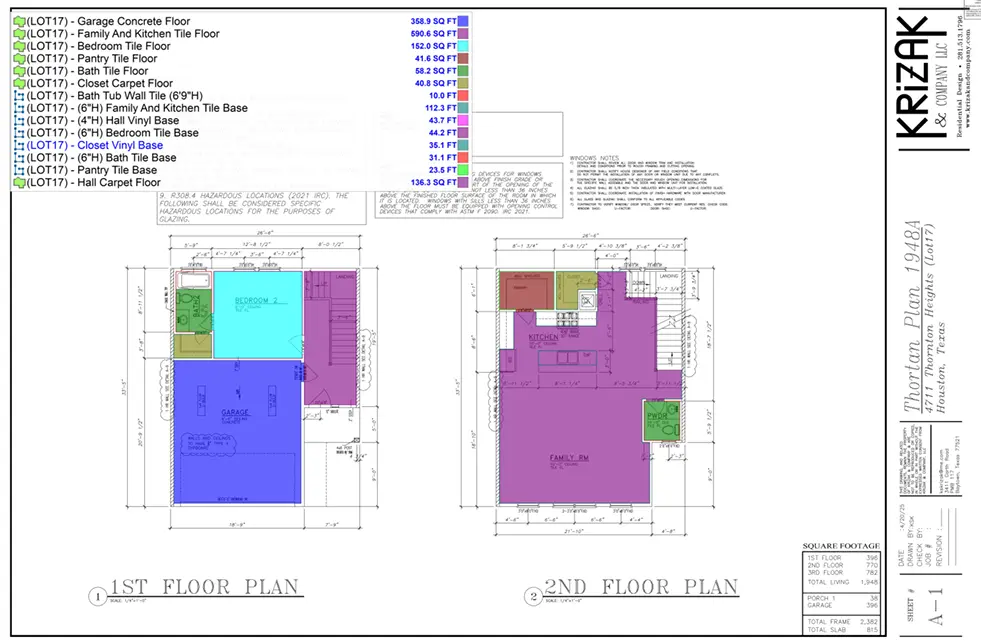
Residential Flooring Project
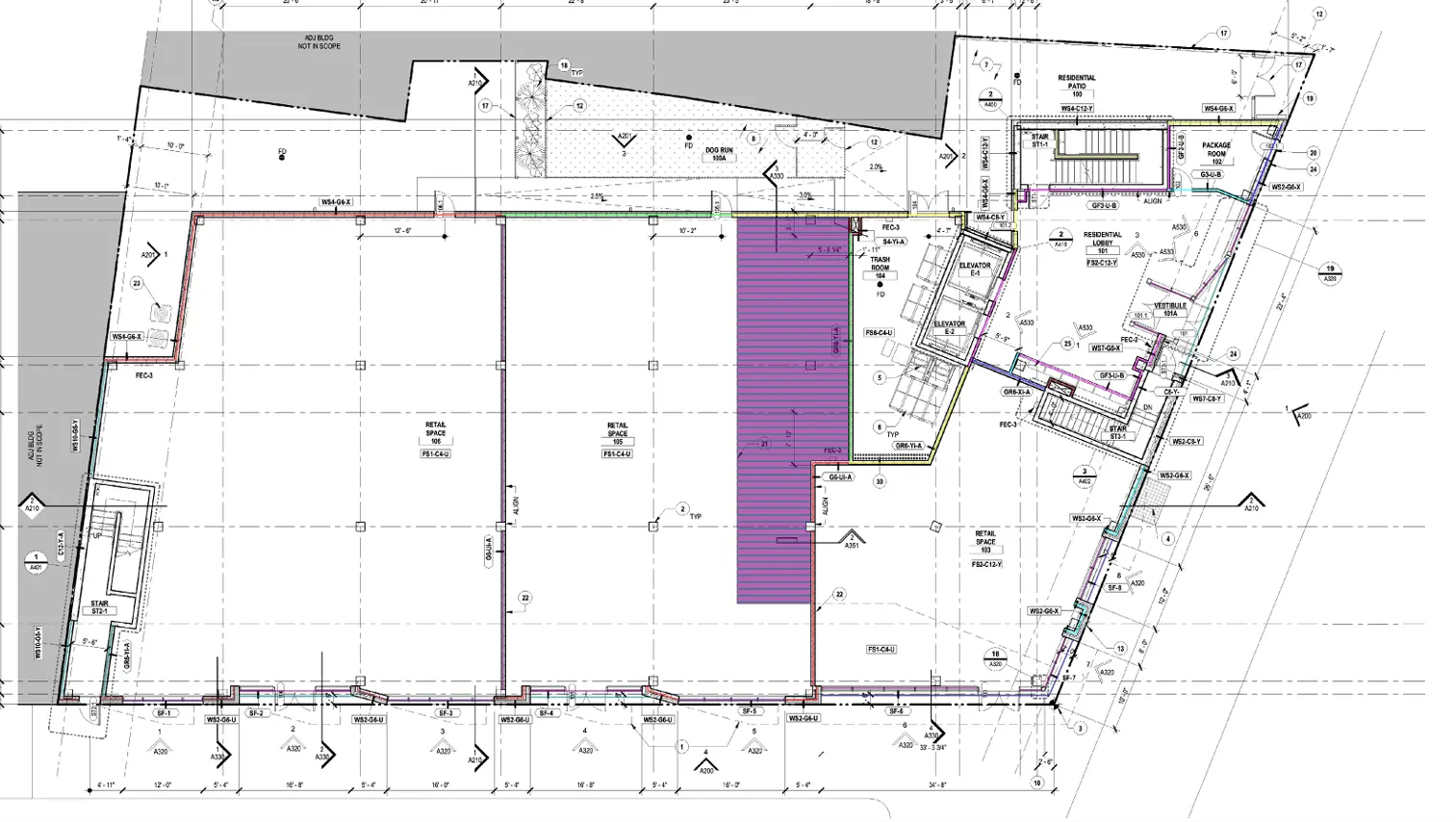
Multi-Family Framing