Concrete Estimating in McKinney
Precise concrete takeoffs matched to Texas soil conditions, geotechnical reports, and structural requirements. Tailored to Collin County requirements.
Much of Texas sits on expansive clay - the Blackland Prairie soil running through Dallas-Fort Worth, Austin, and San Antonio swells dramatically when wet and contracts hard when dry, putting real pressure on whatever foundation sits above it. That's why post-tensioned slab foundations are the default choice across large parts of Texas residential and light commercial construction, rather than the conventional rebar slab that's standard in states with more stable soil. It's not a stylistic choice - it's a direct response to soil conditions, and it changes the concrete takeoff substantially: post-tension cable, slab thickness, and grade beam design aren't line items a conventional-slab estimate accounts for.
Our concrete estimating services confirm which foundation type the project actually requires - based on the geotechnical soil report, not a default assumption - before pricing slab, rebar, or post-tension scope.
Why Foundation Type Changes the Concrete Estimate
A conventional rebar slab and a post-tensioned slab aren't the same estimate with different materials swapped in they're different structural systems with different cost drivers:
- Conventional rebar slabs priced by concrete volume (cubic yards), rebar tonnage, and vapor barrier, standard on stable soil where differential movement isn't a major design concern.
- Post-tensioned slabs priced with the same base concrete and formwork scope, plus post-tension cable (tendons), specialized anchor hardware, and the stressing and inspection labor required after the pour cures a meaningfully different cost structure driven directly by the soil report's plasticity index findings.
- Pier and beam foundations used on the most volatile sites or where crawl space access is preferred, priced by pier depth and grade beam design rather than slab volume at all.
Getting the foundation type wrong in the estimate isn't a rounding error post-tension cable and stressing labor alone commonly add several thousand dollars over a conventional slab of the same footprint, and pricing a post-tension job as if it were conventional (or vice versa) produces an estimate that's wrong before a single yard of concrete is ordered.
What's in a Concrete Takeoff
- Foundations slab, grade beam, and footing volume calculated in cubic yards, with foundation type confirmed against the geotechnical report before pricing.
- Reinforcement rebar sized and quantified by structural drawing callouts, or post-tension cable layout and tonnage where PT design applies.
- Formwork priced separately based on whether forms are purchased or rented, since that decision materially changes cost on larger pours.
- Flatwork slabs, driveways, sidewalks, and parking areas, quantified by area and thickness.
- Site concrete curbs, retaining walls, and paving, priced to the specific structural or civil detail rather than a blended flatwork rate.
Concrete by Project Type
Residential. Foundation type confirmed against the soil report before pricing this is the single biggest cost driver on a residential concrete estimate in much of Texas, more than square footage itself.
Commercial. Structural slabs, footings, and elevated concrete for multi-story construction, along with sitework paving and parking.
Industrial. Heavy equipment pads and foundations designed to specific load and vibration requirements see our Industrial Construction Estimating Services page for how that scope is handled separately.
Software and Standards
Concrete takeoffs are built in Bluebeam and Planswift, with post-tension design referenced against Post-Tensioning Institute (PTI) standards, and pricing checked against RSMeans and current Texas labor and material rates.
Building in McKinney: What Changes the Estimate
McKinney Construction Market Overview
McKinney offers a unique construction environment: a fiercely protected historic downtown square surrounded by explosive, modern suburban and commercial growth along the Highway 121 (Sam Rayburn Tollway) and US 75 corridors.
Estimating here requires versatility. We price meticulous, code-heavy restorations in the Historic District, massive new retail and corporate office parks in Craig Ranch, and high-end custom home developments in the city's expanding northern footprint.
McKinney Permitting & Historic Review
While new development along the highways follows standard, albeit strict, suburban commercial codes, building in Central McKinney is different. Projects near the square are subject to the Historic Preservation Advisory Board (HPAB). Our estimates for historic McKinney projects account for matching period-specific materials, specialized restoration labor, and the extended timeline of historic review.
Our Process for McKinney Projects
Confirm foundation type and design requirements against the project's soil report.
Digital takeoff of all concrete volume (CY) for slabs, beams, footings, and flatwork.
Quantify rebar tonnage, post-tension cable, anchors, and vapor barriers.
Calculate required formwork area and apply current Texas material and labor rates.
Frequently Asked Questions
How do you know whether a project needs a post-tension or conventional slab?
That's determined by the geotechnical soil report, specifically the soil's plasticity index if you have the report, we'll confirm foundation type against it before pricing; if you don't have one yet, we'll flag that a soil report should be obtained before final foundation design.
Does post-tension design cost significantly more than a conventional slab?
Yes, typically post-tension cable, anchor hardware, and stressing labor add real cost over a conventional slab of the same footprint. That's exactly why confirming foundation type before pricing matters; the two aren't interchangeable in the estimate.
Can you estimate concrete for a project I don't have a soil report for yet?
Yes, with an allowance flagged for foundation type until the report is available we'll note which assumption the estimate is built on so it's easy to adjust once the geotechnical data comes in.
Can you estimate historic building renovations in Downtown McKinney?
Yes. We estimate the specialized labor and materials required for historic preservation, such as tuckpointing historic brick, restoring original millwork, and retrofitting modern MEP systems into older structures.
Do you estimate commercial development along the 121 corridor?
Absolutely. We estimate new retail centers, office buildings, and multi-family wraps in the Craig Ranch area and along the Sam Rayburn Tollway, using current Collin County pricing.
Sample Projects Across Texas
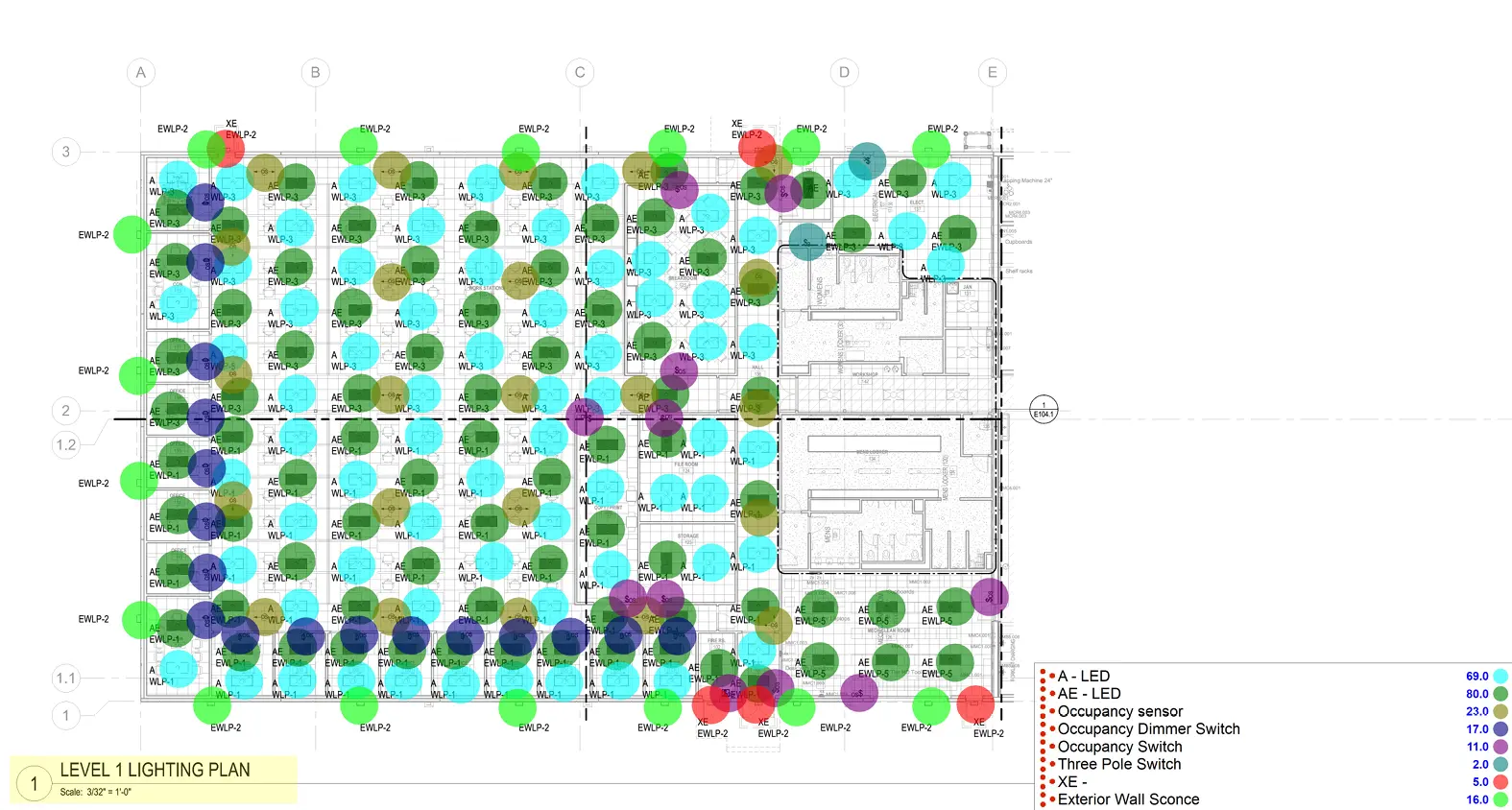
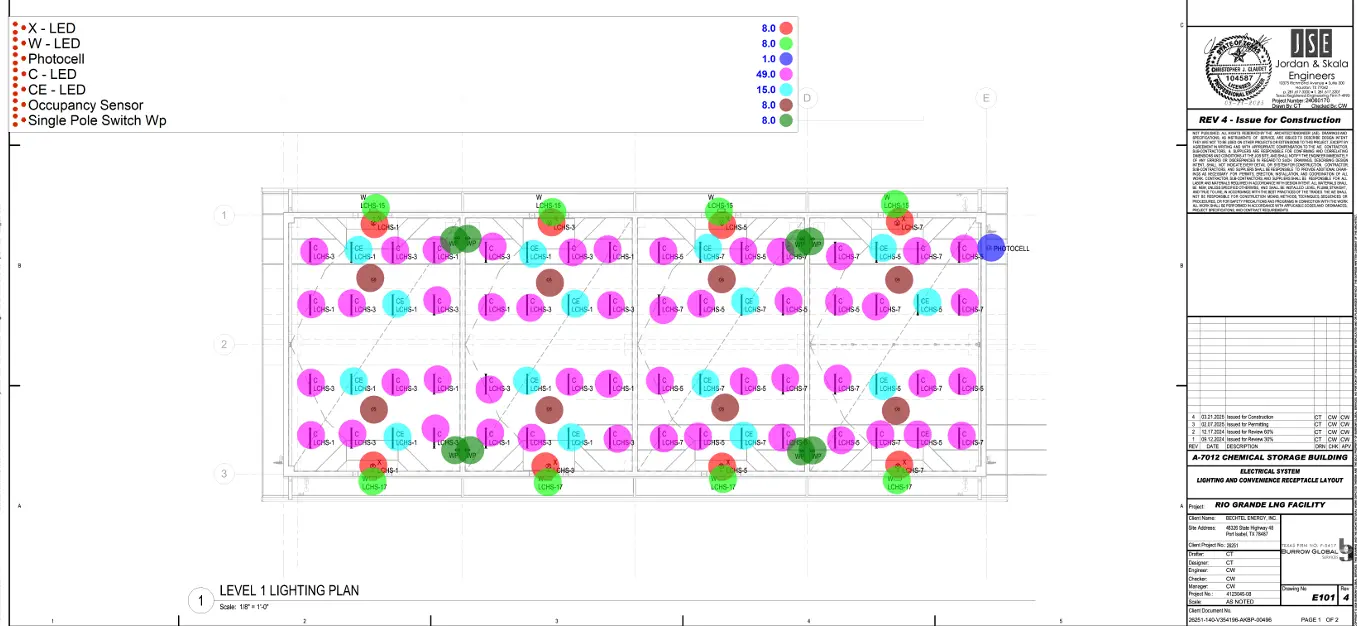
Recent takeoffs and estimates delivered for Texas contractors.
Commercial Electrical Takeoff
Industrial Warehouse Wiring