Landscaping Estimating in Fort Worth
Comprehensive takeoffs for commercial planting, irrigation, and hardscape packages. Tailored to Tarrant County requirements.
Texas landscaping ranges from lush East Texas planting to drought-tolerant xeriscaping in the west, and those different plant communities aren't just an aesthetic choice - they carry different irrigation, soil amendment, and maintenance cost profiles that a single average landscape estimate doesn't capture. Bermuda grass and Zoysia in Central Texas need different establishment and irrigation than St. Augustine on the Gulf Coast, and a xeriscaping package in the Hill Country or West Texas requires a completely different plant schedule, soil amendment volume, and irrigation design than either of those.
Our landscaping and irrigation estimates are built from the actual plant schedule and irrigation design shown on the plans, not a regional average, and they account for Texas water authority requirements - some Texas municipal utility districts and water authorities mandate smart irrigation controllers, rain sensors, and specific zone designs for commercial projects, which carry real cost that a standard irrigation estimate doesn't include.
Landscaping Scopes We Estimate
Planting and Turf
Counting trees (by caliper size) and shrubs (by gallon size), calculating square footage for sod, hydroseeding, and groundcover. We also estimate the required volumes of imported topsoil, compost, and mulch - in areas with heavy Texas clay or caliche, those soil amendment volumes can be substantial, and a flat allowance underestimates them consistently.
Irrigation Systems
Complete takeoff of irrigation plans: controllers (including smart/weather-based controllers where required by the water authority), backflow preventers, valves, linear footage of PVC mainlines and laterals, and counts for all spray heads and drip emitters. Drip irrigation for tree and shrub beds, increasingly specified on Texas commercial sites for water conservation compliance, is priced separately from spray zones given the different material and installation cost.
Hardscape
Pavers, retaining walls, decorative concrete, site furnishings (benches, trash receptacles), and fencing, priced separately from the planting and irrigation scope so each component can be reviewed independently.
Texas-Specific Considerations
We flag requirements specific to Texas projects: temporary irrigation systems for native plant establishment periods (common in commercial landscape specifications), specific soil amendment volumes for clay or caliche conditions, and water authority requirements for smart controllers or reduced-flow irrigation hardware that affect both equipment cost and zone design.
Software and Standards
Landscaping takeoffs are built in Bluebeam and Planswift, with planting quantities verified against the landscape architect's plant schedule and irrigation quantities built from the irrigation design, not a per-zone average.
Building in Fort Worth: What Changes the Estimate
Fort Worth Construction Market Overview
Fort Worth is one of the fastest-growing large cities in the US, distinct from its neighbor Dallas. The market is heavily driven by logistics and industrial warehousing (particularly around AllianceTexas), the redevelopment of the Trinity River Vision (Panther Island), and massive residential expansion into western and northern Tarrant County.
Estimating in Fort Worth requires understanding the massive scale of tilt-wall industrial projects, the specific aesthetic requirements of areas like the Stockyards and the Cultural District, and the infrastructure demands of rapidly expanding suburban areas.
Fort Worth Permitting & Development
The City of Fort Worth Development Services Department manages permitting. Notably, Fort Worth has specific design overlay districts (like the Stockyards Design District or Camp Bowie) that dictate exterior materials and architectural styles, which directly impact costs. Our estimates incorporate these specific local material requirements and city impact fees.
Our Process for Fort Worth Projects
We review landscape architectural plans, plant schedules, and irrigation details.
Counting all specified plants and measuring areas for turf, mulch, and soil amendments.
Measuring all piping and counting all irrigation components by zone.
Estimating installation labor and equipment needs (e.g., skid steers, trenchers, tree cranes).
Frequently Asked Questions
Do you estimate landscape maintenance periods?
Yes. Most commercial landscape contracts include a 90-day or 1-year maintenance period. We include an allowance for this labor, watering, and standard plant replacement warranties.
Can you estimate hardscape features?
Absolutely. We estimate segmental retaining walls, brick pavers, decomposed granite paths, and installation of site furnishings.
Do you calculate the volume of soil needed?
Yes. Based on the planting details (e.g., "4 inches of imported topsoil in all bed areas"), we calculate the exact cubic yards of soil, compost, and mulch required, factoring in compaction.
Do you estimate large industrial warehouses in North Fort Worth/Alliance?
Yes, industrial tilt-wall and distribution centers are a major part of our Fort Worth portfolio. We accurately estimate the massive concrete packages, structural steel, and extensive site paving required for these logistics hubs.
Can you handle estimates in Fort Worth design overlay districts?
Yes. If your project is in a specific overlay district (e.g., requiring a certain percentage of masonry facade in the Stockyards), we ensure the takeoff reflects the mandated materials, not just a generic finish.
Sample Projects Across Texas
Recent takeoffs and estimates delivered for Texas contractors.
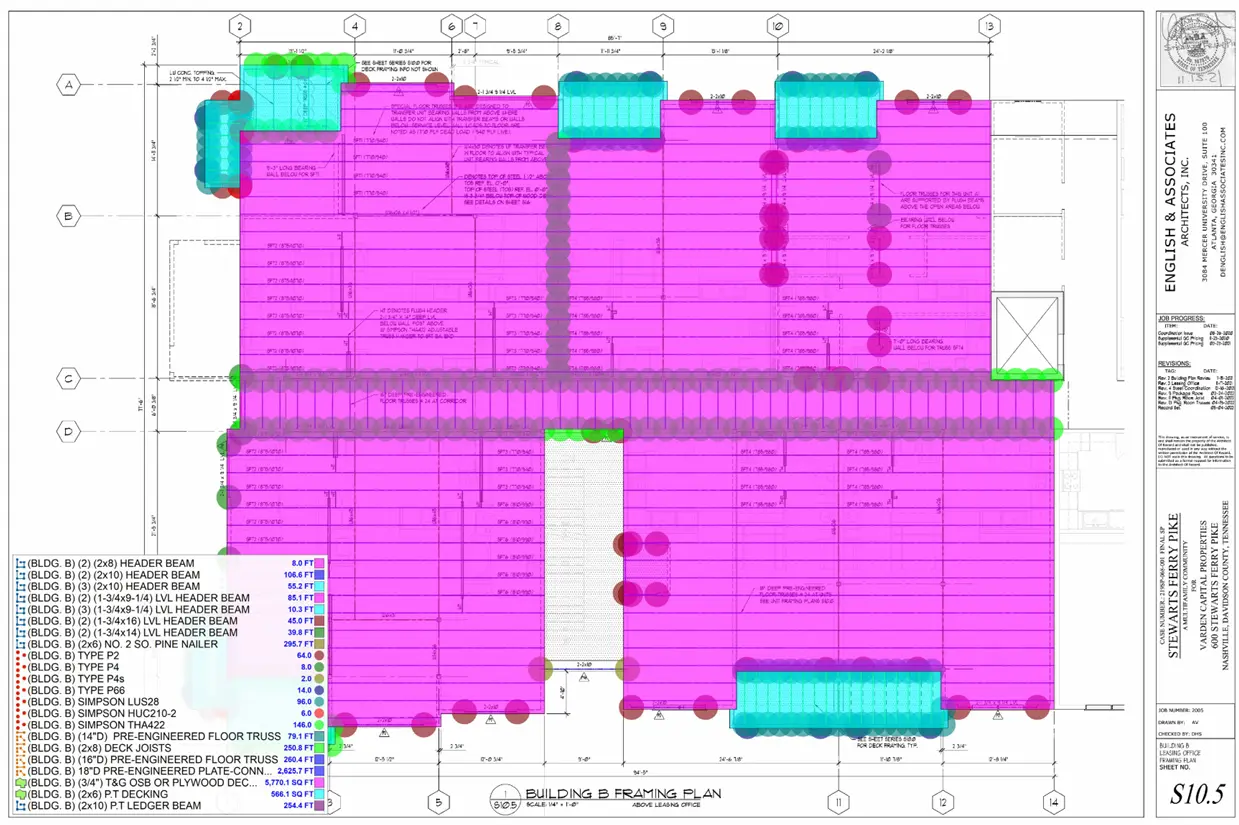
Subdivision Lumber Takeoff
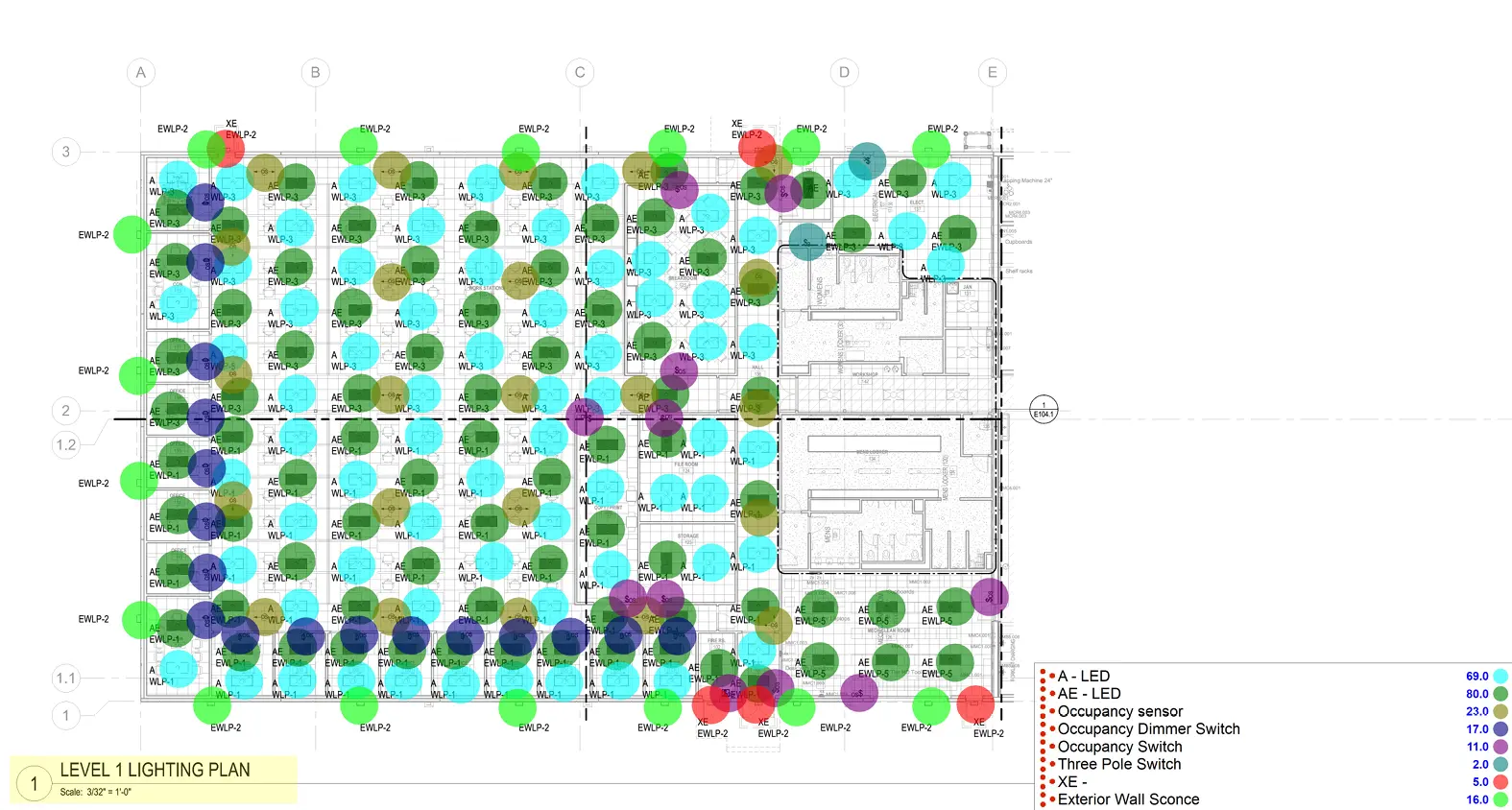
Commercial Electrical Takeoff