Sitework Estimating in Fort Worth
Precise earthwork volumes and utility takeoffs that account for current Texas stormwater and detention requirements. Tailored to Tarrant County requirements.
Stormwater detention sizing isn't a fixed input in Texas sitework estimating - it's a jurisdiction-by-jurisdiction number that has moved substantially in recent years. Houston, in particular, updated its detention requirements to align with Harris County Flood Control District standards following the adoption of NOAA's Atlas 14 rainfall data, and detention volume requirements in the city increased sharply as a result - a change that directly grows the size (and cost) of the detention pond a site plan has to accommodate. A sitework estimate built on outdated detention rates doesn't just miscalculate one line item; it undersizes the earthwork and grading scope for the whole site.
Our sitework estimating services confirm current detention requirements for the project's specific jurisdiction before pricing cut/fill and grading quantities - not a statewide assumption that may be years out of date in the city that actually matters.
What's in a Sitework Estimate
- Earthwork and grading cut and fill volumes calculated from existing and proposed grade surfaces, quantified in cubic yards with import/export requirements flagged where the site doesn't balance on its own.
- Stormwater detention and drainage detention pond sizing calculated against the current rate required by the specific city or county, not a default assumption, along with storm drain, inlet, and culvert quantities.
- Underground utilities water, sanitary sewer, storm drain, and dry utility trenching, priced by linear footage, pipe material, and depth, coordinated so trench conflicts between systems are flagged before they become a field problem.
- Paving and hardscape parking lots, drives, sidewalks, and curbs, quantified by area and pavement section thickness.
- Site improvements retaining walls, fencing, and landscaping/irrigation scope where included in the sitework package.
Why Detention Requirements Change the Estimate
A detention pond isn't a fixed percentage of site area it's sized to a specific volumetric rate (acre-feet per acre of impervious or disturbed area) set by the governing jurisdiction, and that rate has changed meaningfully in some of Texas's largest markets in the past several years. A larger required detention volume means more excavation, more pond footprint taken out of otherwise developable or parking area, and in some cases a fundamentally different site layout than what a smaller, older detention standard would have allowed. Confirming the current rate before pricing earthwork isn't a compliance footnote here it changes how much dirt actually has to move.
Sitework by Project Type
Residential subdivisions. Mass grading, utility infrastructure, and detention sized per the governing jurisdiction's current subdivision standards.
Commercial and multifamily sites. Site-specific grading, parking lot paving, and detention sized to the site's impervious cover, often requiring closer coordination with civil engineering than a standalone residential lot.
Industrial sites. Heavier utility infrastructure and larger-scale earthwork, often including specialized pad preparation see our Industrial Construction Estimating Services page for how equipment-driven scope is handled separately.
Software and Standards
Sitework and earthwork takeoffs are built using AGTEK, Bluebeam, and Civil 3D surface modeling, with detention and drainage quantities checked against the governing jurisdiction's current stormwater design criteria and cross-referenced with RSMeans and current Texas labor and material rates.
Building in Fort Worth: What Changes the Estimate
Fort Worth Construction Market Overview
Fort Worth is one of the fastest-growing large cities in the US, distinct from its neighbor Dallas. The market is heavily driven by logistics and industrial warehousing (particularly around AllianceTexas), the redevelopment of the Trinity River Vision (Panther Island), and massive residential expansion into western and northern Tarrant County.
Estimating in Fort Worth requires understanding the massive scale of tilt-wall industrial projects, the specific aesthetic requirements of areas like the Stockyards and the Cultural District, and the infrastructure demands of rapidly expanding suburban areas.
Fort Worth Permitting & Development
The City of Fort Worth Development Services Department manages permitting. Notably, Fort Worth has specific design overlay districts (like the Stockyards Design District or Camp Bowie) that dictate exterior materials and architectural styles, which directly impact costs. Our estimates incorporate these specific local material requirements and city impact fees.
Our Process for Fort Worth Projects
Confirm current stormwater and detention requirements for the specific city/county.
Digitize existing and proposed contours to calculate precise cut/fill and import/export volumes.
Measure and coordinate wet and dry underground utilities, including trenching and backfill.
Quantify all surface paving sections, flatwork, and related site improvements.
Frequently Asked Questions
How do you confirm current detention requirements for a project?
We check the governing jurisdiction's current stormwater design criteria city, county, or flood control district, whichever applies before pricing detention pond sizing, since these rates have changed materially in some Texas markets in recent years and vary by jurisdiction.
Does a sitework estimate include underground utilities, or just earthwork?
Both water, sanitary sewer, storm drain, and dry utility trenching are included as their own line items, coordinated with the earthwork scope so trench conflicts are flagged before construction.
Can you estimate a site that doesn't balance on its own where dirt has to be imported or exported?
Yes import and export volumes are calculated and flagged as their own cost item, since hauling costs on an unbalanced site can be a significant share of total earthwork cost.
Do you estimate large industrial warehouses in North Fort Worth/Alliance?
Yes, industrial tilt-wall and distribution centers are a major part of our Fort Worth portfolio. We accurately estimate the massive concrete packages, structural steel, and extensive site paving required for these logistics hubs.
Can you handle estimates in Fort Worth design overlay districts?
Yes. If your project is in a specific overlay district (e.g., requiring a certain percentage of masonry facade in the Stockyards), we ensure the takeoff reflects the mandated materials, not just a generic finish.
Sample Projects Across Texas
Recent takeoffs and estimates delivered for Texas contractors.
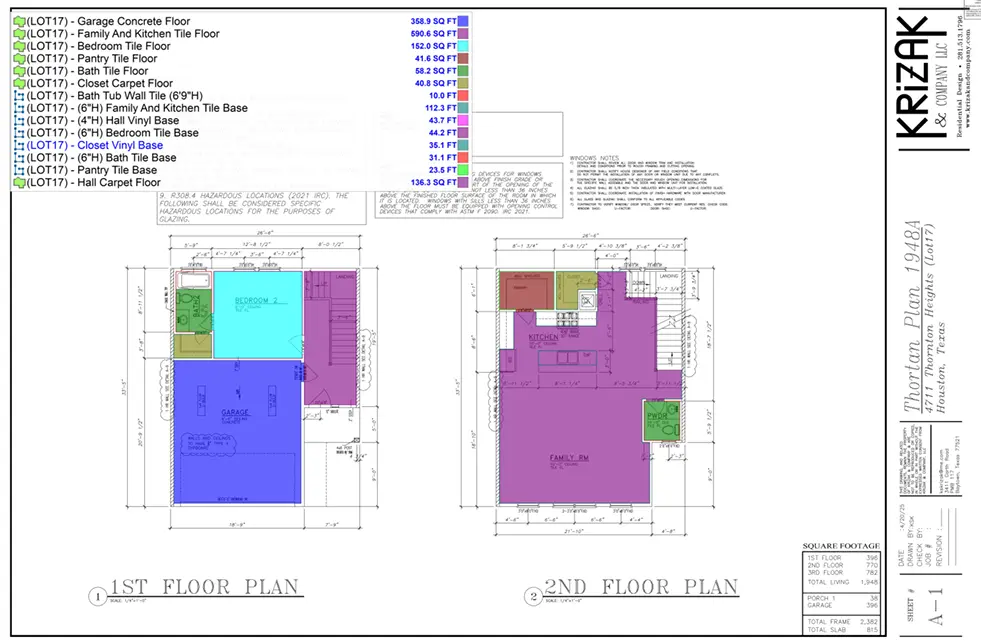
Residential Flooring Project
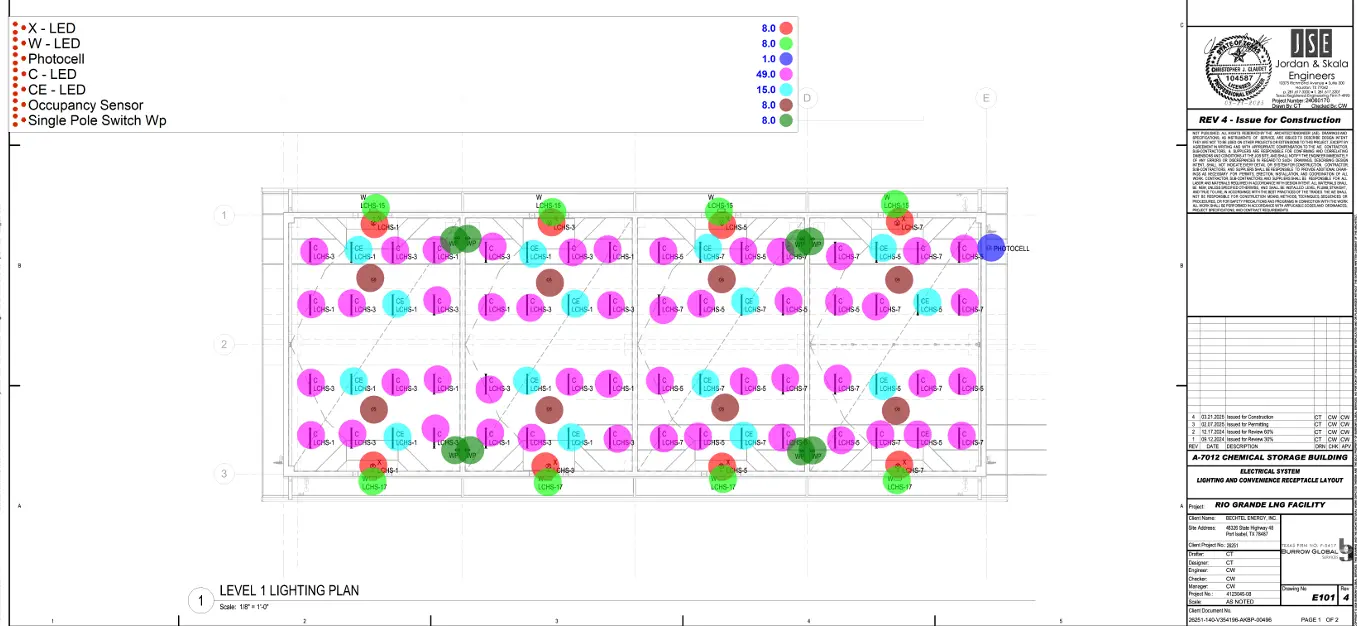
Industrial Warehouse Wiring