Industrial Estimating in Houston
Heavy-duty estimating for Texas industrial projects - from warehouse distribution centers to petrochemical facilities. Tailored to Harris County requirements.
Our Industrial Estimating Approach
Our industrial construction estimating services are built around that difference. We estimate warehouses, distribution centers, manufacturing plants, food and beverage processing facilities, and light industrial flex space across Texas a state where "industrial" spans Gulf Coast petrochemical work, DFW logistics and distribution, and the semiconductor and data center build-out stretching from Austin to Sherman. Those three markets don't price the same, and a single national estimating template treats them like they do.
What Makes Industrial Estimating Different
Long-lead equipment procurement. Major mechanical and electrical equipment chillers, transformers, compressors, generators often has to be ordered before construction pricing is finalized, because lead times can run longer than the construction schedule itself. We flag long-lead items separately in the estimate so procurement and construction cost aren't tracked as one number when they need to be managed on two different timelines.
Process piping and specialty systems. Unlike a commercial MEP scope, industrial piping is priced by specification, pressure class, and material carbon steel, stainless, or specialty alloy not just linear footage. Getting the spec wrong in the takeoff means the wrong price, full stop.
Structural steel at scale. Industrial buildings carry more structural steel tonnage per square foot than almost any other building type. We estimate steel by connection type and erection sequence, not a flat per-ton average, since erection complexity moves cost as much as tonnage does.
Safety and compliance scope. OSHA requirements around confined space, fall protection, and hazardous material handling carry direct cost safety systems, monitoring equipment, specialized labor that has to be priced into the estimate itself, not treated as a contractor's general condition afterthought.
Industrial Project Types We Estimate
- Warehouses and distribution centers
- Manufacturing and processing facilities
- Food and beverage production plants
- Light industrial and flex space
- Cold storage facilities
- Data centers and mission-critical facilities
For petrochemical, refining, or heavy process work governed by API standards, we can scope the estimate to those specifications specifically this is specialized enough that we'll confirm on the front end whether it's in scope before quoting.
How This Differs from Commercial Estimating
A commercial estimate is built around finish quality and code compliance for occupied space. An industrial estimate is built around equipment, process flow, and structural capacity the building exists to house what's inside it, and the estimate has to reflect that priority. That also changes who reads the estimate: industrial projects are more often reviewed by an owner's engineering team or an EPC (engineer-procure-construct) contractor than a leasing agent or lender, so the estimate needs to speak that language equipment schedules, long-lead flags, and phased procurement, not just a finish schedule. If your project is closer to office, retail, or multifamily, our Commercial Construction Estimating Services page is the better fit.
Software and Standards
Industrial takeoffs are built in Bluebeam and Trimble, with structural and piping quantities cross-checked against RSMeans industrial cost data and current Texas material and labor rates. Estimating practices follow AACE International's cost engineering standards, which are the accepted framework for industrial and process-facility estimating classifications from a rough Class 5 conceptual estimate through a bid-ready Class 1.
Building in Houston: What Changes the Estimate
Houston Construction Market Overview
As the largest city in Texas and the energy capital of the world, Houston's construction market is massive and diverse. From sprawling suburban residential developments in Cypress and Katy to high-rise commercial towers downtown and massive industrial complexes along the Houston Ship Channel, estimating in Houston requires deep local knowledge.
Our Houston estimates account for critical local factors: expansive "gumbo" clay soils that dictate heavy foundation engineering, Gulf Coast windstorm and hurricane resistance requirements (TWIA), and the unique logistical challenges of building in a sprawling, flood-prone metropolitan area.
Houston & Harris County Permitting
The City of Houston is famous for having no formal zoning laws, but that doesn't mean building is a free-for-all. Deed restrictions act as de facto zoning, and the City of Houston Public Works department enforces strict commercial and residential building codes. Our estimates can include allowances for Harris County floodplain management permits, City of Houston impact fees, and the often-lengthy Houston plan review process.
Our Process for Houston Projects
We review industrial plans, process flow diagrams, equipment lists, and specialized specifications.
Takeoff includes structural steel, process piping, industrial electrical, and specialized systems.
We apply pricing for industrial-grade materials, certified welders, and specialized equipment.
Industrial-format estimate with detail sufficient for contractor bidding or owner budget control.
Frequently Asked Questions
Can you separate equipment procurement cost from construction cost?
Yes for any project with long-lead equipment, we break procurement out as its own line so it can be tracked against a separate ordering timeline instead of getting buried inside the construction total.
Do you estimate process piping by spec, or just linear footage?
By spec. Process piping is quantified and priced by material, pressure class, and schedule, since those variables move cost more than length does.
What estimate class do I need at the conceptual stage?
If you're still confirming project feasibility, a Class 4 or 5 conceptual estimate (per AACE classification) is usually appropriate a rough number based on similar past projects and preliminary scope, refined as design develops.
Do your Houston estimates account for hurricane requirements?
Yes. For projects in Houston and Harris County, we estimate the required wind-rated assemblies, impact-resistant glazing, and enhanced structural tie-downs required by Gulf Coast building codes and the Texas Windstorm Insurance Association (TWIA).
How do you handle Houston's soil conditions in estimates?
Houston's expansive clay soil requires specialized foundations, typically heavily engineered post-tension slabs or drilled builder's piers. We never estimate Houston foundations using standard national averages; we always use the specific structural design or historical local data for soil remediation and foundation work.
Sample Projects Across Texas
Recent takeoffs and estimates delivered for Texas contractors.
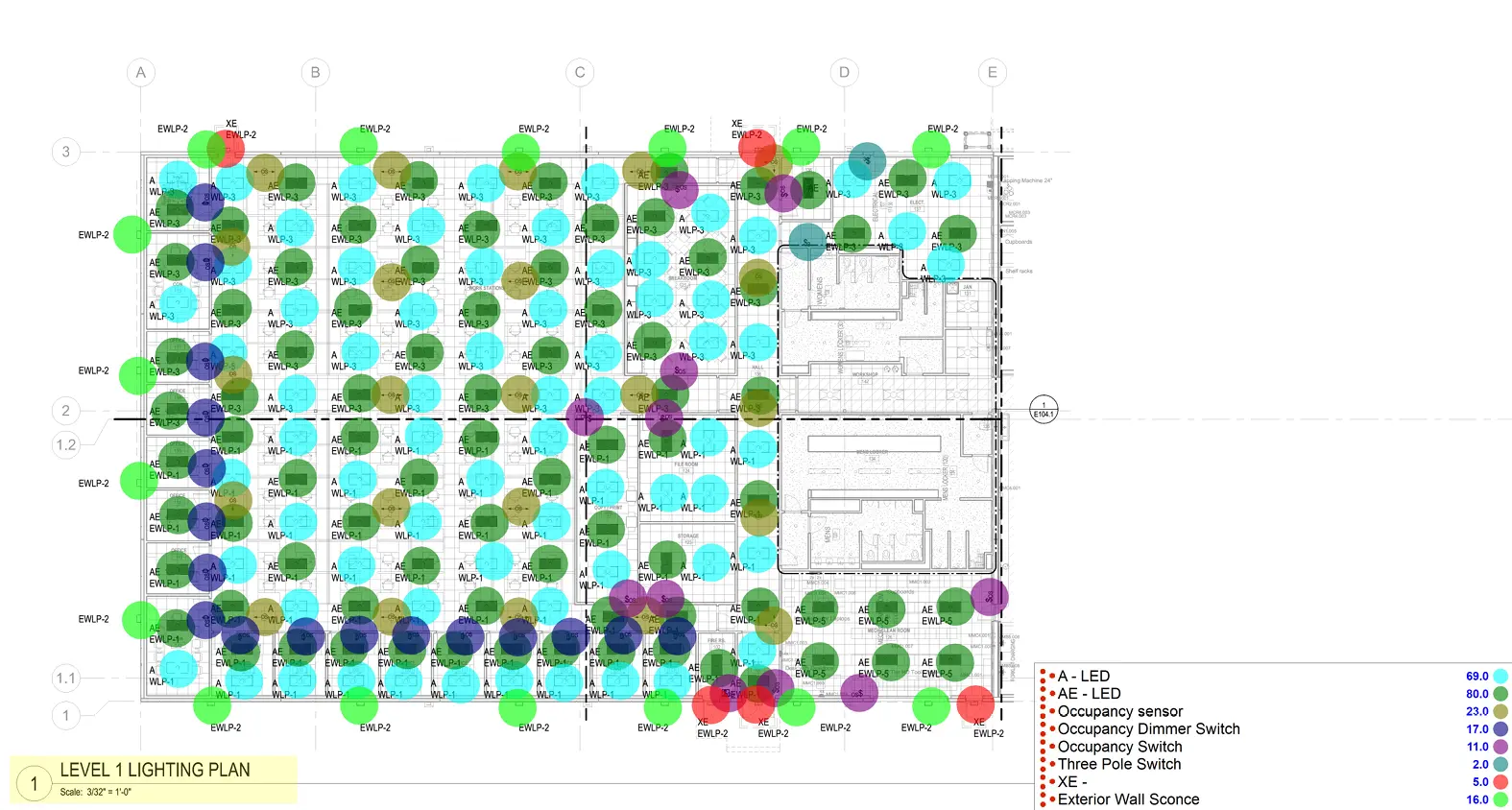
Commercial Electrical Takeoff
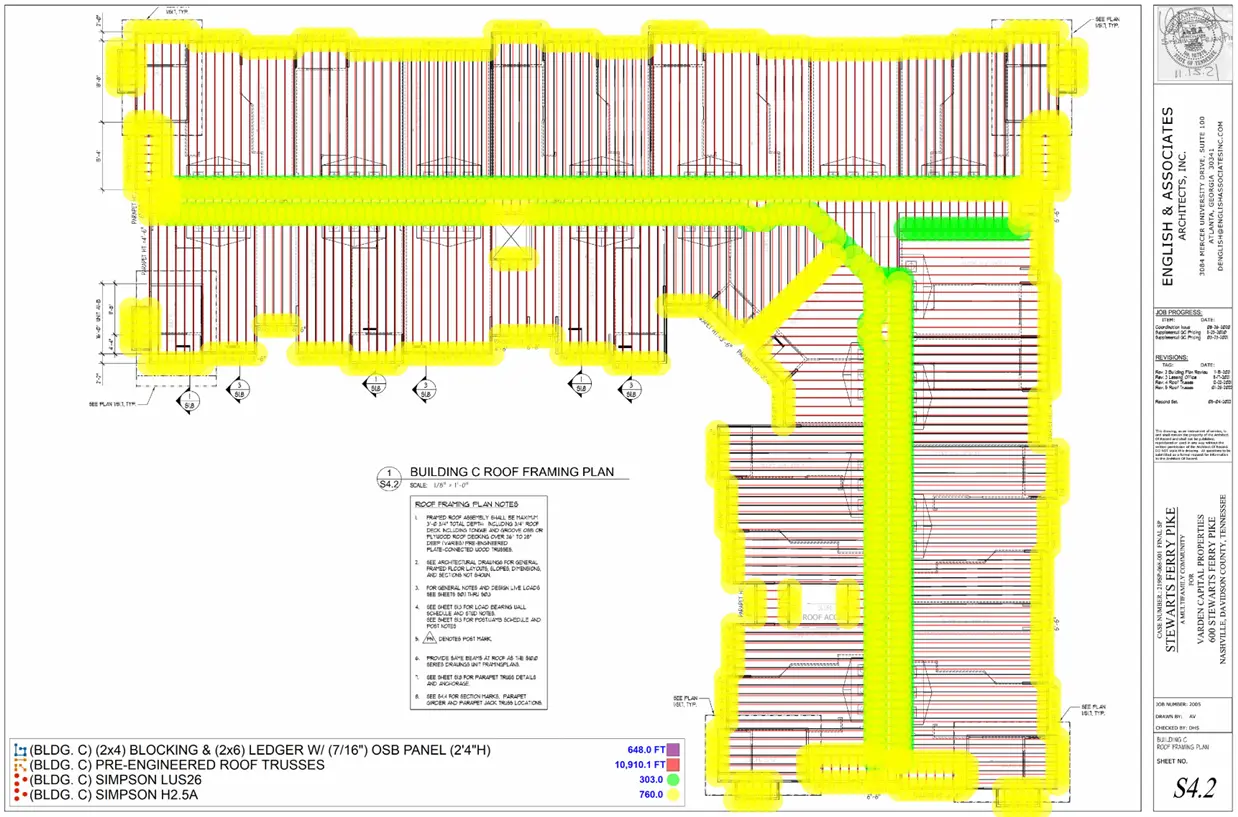
Custom Home Lumber Package