Demolition Estimating Estimating in Denton, TX
Demolition scope priced structure by structure and material by material - because the line items that actually blow up a demo budget are rarely the demolition itself. Tailored to Denton County requirements.
Demolition scope priced structure by structure and material by material - because the line items that actually blow up a demo budget are rarely the demolition itself.
Demolition cost estimates that go wrong usually go wrong on the parts that aren't demolition labor at all: pre-demolition asbestos survey and abatement, EPA-required notification lead time, and landfill tipping fees that vary meaningfully by county and material type. Federal NESHAP rules require a written notification to the appropriate regulatory agency at least ten working days before most demolition work begins, and in Texas, asbestos inspection and abatement work has to be performed by a contractor licensed through the Texas Department of Licensing and Regulation (TDLR) if the structure's age and use trigger a survey requirement. Skip pricing that scope correctly, and a demolition bid that looked competitive on square footage alone turns into a change order the moment abatement gets discovered mid-project.
Our demolition estimating prices the full scope - structure, abatement, disposal, and regulatory lead time - not just the square-footage demo number that's easiest to quote off a drive-by look at the building.
- Structural demolition - full or partial structure takedown, quantified by square footage and construction type (wood frame, masonry, steel, concrete/tilt-wall), since demolition method and cost differ significantly by structure type.
- Selective demolition - interior demo for renovation or tenant improvement work, scoped to exactly what's being removed versus what's staying, distinct from full-structure teardown pricing.
- Hazardous material abatement - asbestos, lead paint, and other hazardous material survey and abatement scope, priced separately and flagged early since it directly affects project timeline (survey and NESHAP notification lead time has to happen before demolition starts).
- Utility disconnection - gas, electric, water, and sewer disconnection and capping, coordinated with the relevant utility company before demolition begins.
- Debris removal and disposal - hauling and landfill tipping fees, which vary by material type (concrete/masonry can often be recycled at lower cost than mixed C&D debris) and by county.
- Site restoration - grading and erosion control following demolition, where the site isn't proceeding immediately to new construction.
Commercial and industrial. Full-structure demolition of larger buildings, where structural type (steel frame versus tilt-wall concrete versus masonry) significantly changes both method and cost, and hazardous material surveys are effectively mandatory on any structure of meaningful age.
Residential teardown. Single-structure demolition ahead of new construction, typically simpler in scope but still requiring an asbestos survey if the structure's age triggers the requirement.
Selective/interior demolition. Tenant improvement and renovation demo, scoped precisely to what's coming out, with adjacent structure and systems protected and priced as their own consideration.
A demolition estimate that only prices the physical takedown misses the part of the schedule that actually controls when demolition can legally start. Federal NESHAP rules require written notification before most demolition work, and asbestos survey findings can trigger additional abatement scope and lead time on top of that notification period. On a tight project schedule, that regulatory lead time isn't a footnote - it's a real driver of when the general contractor can actually mobilize equipment on site, and pricing demolition without accounting for it sets up a schedule the project can't actually hit.
Demolition takeoffs are built in Bluebeam, with structural quantities measured from existing drawings or as-built survey data, hazardous material scope flagged per TDLR licensing requirements where a survey is warranted, and disposal costs priced against current Texas landfill and recycling rates by county.
A demolition estimate that misses abatement scope or regulatory lead time isn't just under-priced - it sets up a schedule the project can't actually meet. Our estimators price the full regulatory and disposal picture, not just the visible structure.
The Denton Market: What Changes Your Demolition Estimating Estimate
Denton is a vibrant university city anchored by the University of North Texas (UNT) and Texas Woman's University (TWU), while simultaneously serving as the county seat for one of the fastest-growing counties in America. The construction market is a compelling mix of institutional higher-education projects, historic downtown square preservation, and explosive residential and commercial expansion radiating outward along I-35W and I-35E.
Estimating in Denton requires understanding the city's dual identity: pricing carefully controlled historic renovation work around the courthouse square, while also competitively estimating the high-volume suburban construction (apartments, retail, and single-family) pushing north toward Sanger and Aubrey. The A-train DCTA commuter rail also fuels transit-oriented development near stations, creating a growing demand for mixed-use projects.
The City of Denton Development Services Department manages permits with distinct processes for different zones. The Downtown Denton Historic District is governed by strict preservation standards that can mandate specific materials and architectural treatments. Outside the historic core, Denton enforces suburban development codes including masonry requirements, extensive landscaping ordinances, and tree preservation rules. Our estimates capture these location-specific compliance costs, whether your project is a downtown renovation or a greenfield development on the city's expanding periphery.
Our Demolition Estimating Estimating Process for Denton Projects
Upload existing drawings, as-built documentation, or site photos, along with the building's approximate age and construction type.
We confirm whether an asbestos/hazmat survey is warranted and flag NESHAP notification timing against your target schedule.
Structural quantities, abatement scope (if applicable), and disposal volumes are quantified and priced.
A bid-ready Excel estimate with itemized structural, abatement, and disposal costs, typically within 24 hours.
Frequently Asked Questions: Demolition Estimating Estimating in Denton
Does every demolition project require an asbestos survey?
Not every project, but structures of a certain age and use commonly trigger a survey requirement, and abatement work found necessary has to be performed by a TDLR-licensed asbestos contractor in Texas. We flag whether your specific project likely requires one during scope review.
How much lead time does demolition permitting and notification require?
Federal NESHAP rules require written notification at least ten working days before most demolition work begins, and additional lead time may be needed if an asbestos survey identifies abatement scope that has to be completed first. We build this into the estimate timeline, not just the cost.
Do you estimate university campus projects at UNT or TWU?
Yes. We estimate institutional facilities including academic buildings, student housing, dining halls, and recreation centers, capturing the premium durability standards, complex MEP systems, and specific accessibility requirements of university construction.
Sample Projects Across Texas
Recent takeoffs and estimates delivered for Texas contractors.
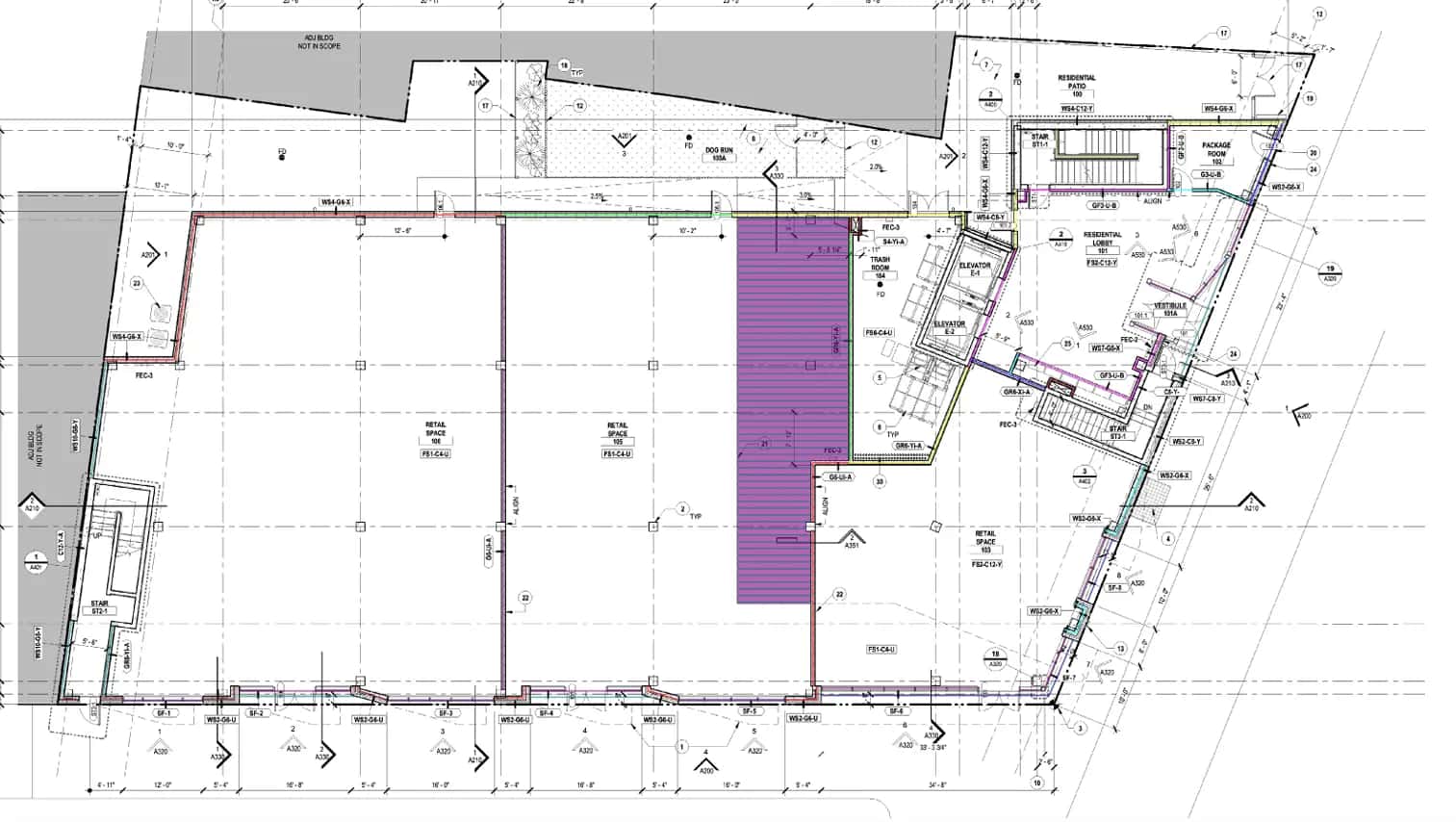
Multi-Family Framing
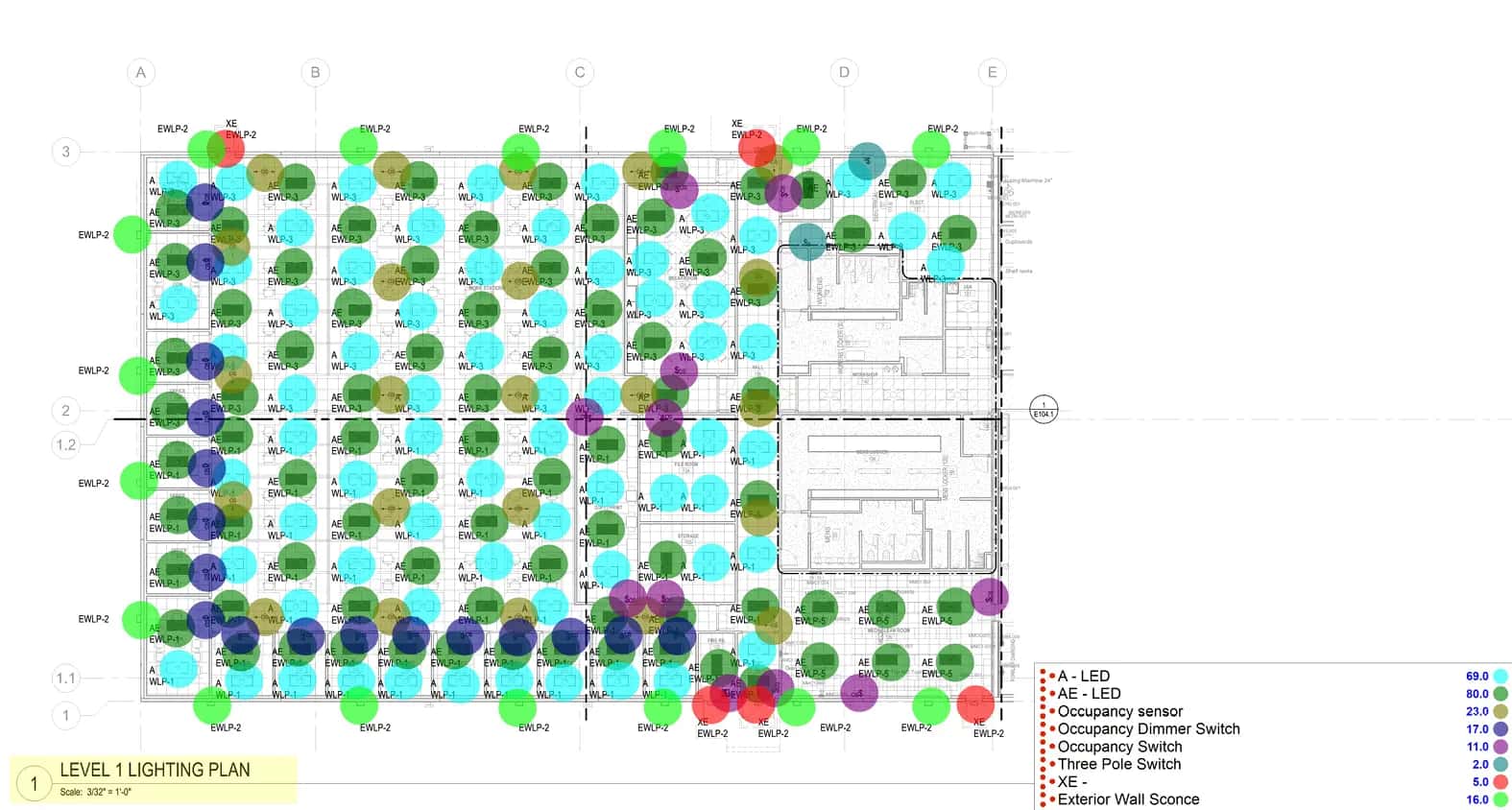
Commercial Electrical Takeoff