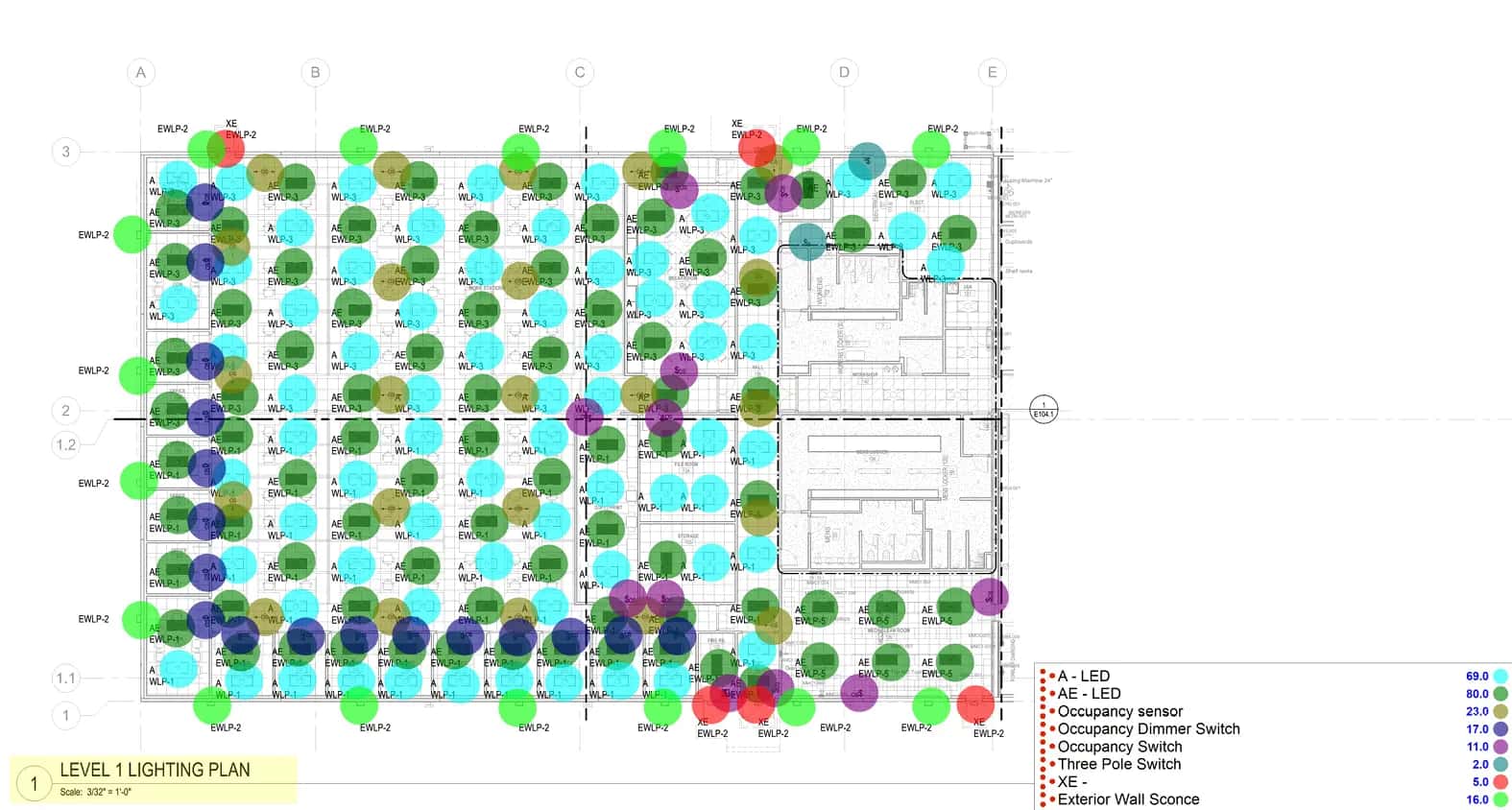
Asphalt & Paving Estimating in Midland, TX
Tonnage calculated from actual area, depth, and mix density - not a rounded square-footage number that drifts further from reality as the paved area gets larger. Tailored to Midland County requirements.
Tonnage calculated from actual area, depth, and mix density - not a rounded square-footage number that drifts further from reality as the paved area gets larger.
Asphalt tonnage is a compounding number: a small error in area or lift depth on a driveway is a rounding error, but the same percentage error on a multi-acre parking lot or a mile of roadway becomes a real material shortfall or overage, either of which shows up as a change order on the job or margin lost eating the difference. Texas paving work also isn't priced off a single generic mix - TxDOT Item 340 (dense-graded hot-mix asphalt) and Item 341 specify Superpave mix designs and PG (performance-grade) binder grades matched to Texas's climate and traffic loading, and the binder grade alone materially affects material cost, so an estimate that treats "asphalt" as one commodity price is already off before the tonnage math even starts.
Our asphalt and paving estimating calculates tonnage from real measured area and specified lift depth, and prices to the actual mix design and binder grade the project calls for.
- Surface area - paved area measured directly from site plans in square yards, broken out by section where different pavement thicknesses or mix designs apply (drive lanes versus parking stalls, for example).
- Tonnage by lift - hot-mix tonnage calculated per lift (base/binder course and surface course) from area, specified depth, and mix density - not a single blended depth applied across the whole lot.
- Base course - aggregate base and subbase material and compaction requirements priced separately from the asphalt surface itself.
- Milling and overlay - for resurfacing work, milling depth and disposal quantities, plus overlay tonnage, priced as distinct scope from new-construction paving.
- Striping and markings - parking stall striping, ADA-compliant accessible space markings and signage, and directional markings, quantified by linear footage and count.
- Curbing and edge treatments - concrete curb, curb and gutter, or asphalt edge treatments, quantified separately by linear footage.
Commercial parking lots. Full-depth new construction or mill-and-overlay resurfacing, striped and marked to current ADA accessibility requirements.
Residential and light-duty paving. Driveways and low-traffic access roads, typically single-lift asphalt over a lighter base section than commercial or roadway work requires.
TxDOT and municipal roadway. Paving quantified to TxDOT Item 340/341 specifications, with mix design and binder grade specified per the project's traffic and climate classification, formatted for public-bid submittal.
Not every Texas asphalt project uses the same binder grade - PG 64-22 is common for lower-traffic applications, while higher-traffic roadway and commercial work often specifies a stiffer binder like PG 70-22 to resist rutting under Texas summer pavement temperatures, and the binder grade specified is a direct cost input, not a footnote. Pricing an asphalt estimate against a single blended "asphalt per ton" rate without confirming the specified mix design and binder grade is one of the more common ways a paving bid comes in wrong, particularly on public and higher-traffic commercial work where the spec explicitly calls for a specific PG grade.
Paving takeoffs are measured in Bluebeam, with tonnage calculated from measured area, specified lift depth, and mix density, cross-referenced against TxDOT Item 340/341 (Superpave hot-mix asphalt) specifications where applicable, and priced with current RSMeans and Texas material/labor rates.
Tonnage math looks simple until mix design, lift depth, and binder grade all factor in - and a small measurement or density error compounds fast on a large paved area. Our estimators price to the actual specified mix, not a blended average.
The Midland Market: What Changes Your Asphalt & Paving Estimate
Midland is the corporate and financial capital of the Permian Basin, the most prolific oil-producing region in the United States. The construction market here is unlike anywhere else in Texas: it's characterized by extreme cyclicality tied to oil prices, some of the highest labor rates in the state (often exceeding Houston and Dallas), and a chronic shortage of skilled construction workers during boom periods.
Estimating in Midland requires a fundamentally different approach than estimating in Austin or San Antonio. Labor costs can be 30-50% higher than state averages during peak activity, material delivery timelines are extended due to remote West Texas logistics, and many projects—from corporate office towers downtown to oilfield support facilities—operate on compressed schedules that demand premium time-and-a-half or double-time labor allowances.
The City of Midland Development Services Department handles building permits. While residential and commercial permitting follows standard IBC/IRC codes, a significant portion of Midland construction is oilfield-adjacent and may involve additional compliance with OSHA Process Safety Management (PSM) standards, API design codes, and specific fire protection requirements for hazardous occupancy facilities. Our estimates capture these specialized industrial compliance costs that generic estimating services often miss.
Our Asphalt & Paving Estimating Process for Midland Projects
Upload site plans or paving drawings showing area, section design, and specified mix/binder grade.
Paved area is measured directly from the plans, broken out by pavement section where thickness or mix design varies.
Asphalt tonnage is calculated per lift from area, depth, and mix density; base course and striping are quantified separately.
A bid-ready Excel takeoff with tonnage by lift, base quantities, and striping counts, typically within 24 hours.
Frequently Asked Questions: Asphalt & Paving Estimating in Midland
How is asphalt tonnage actually calculated from a site plan?
Tonnage is calculated from measured area, specified lift depth, and the mix's compacted density - area × depth converts to a volume, and volume converts to tonnage using the mix design's density factor, applied per lift where a project has separate base/binder and surface courses.
Does binder grade (PG rating) really change the cost?
Yes - a stiffer binder grade specified for higher-traffic or high-heat applications is a real material cost difference, not a rounding factor, so we price to the binder grade the project spec actually calls for.
How do Midland labor rates affect my estimate?
Midland has some of the highest construction labor rates in Texas due to competition from the oil and gas industry. We use real-time Permian Basin wage data—not statewide RSMeans averages—to ensure your bid accounts for the true cost of labor in Midland County, which can fluctuate dramatically with oil prices.
Sample Projects Across Texas
Recent takeoffs and estimates delivered for Texas contractors.
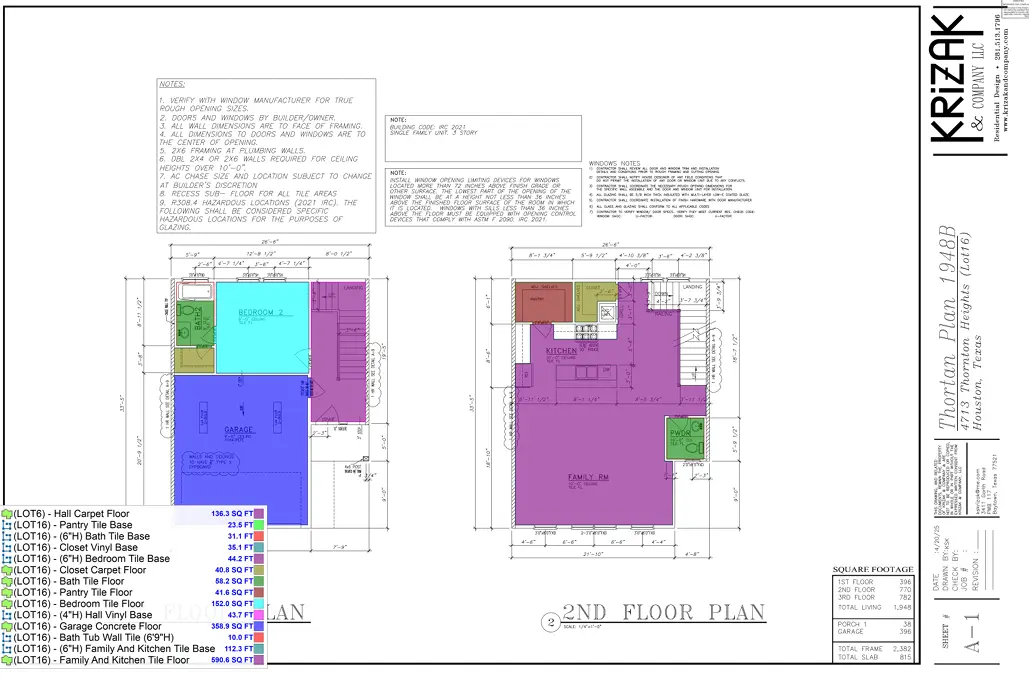
Office Building Flooring Project
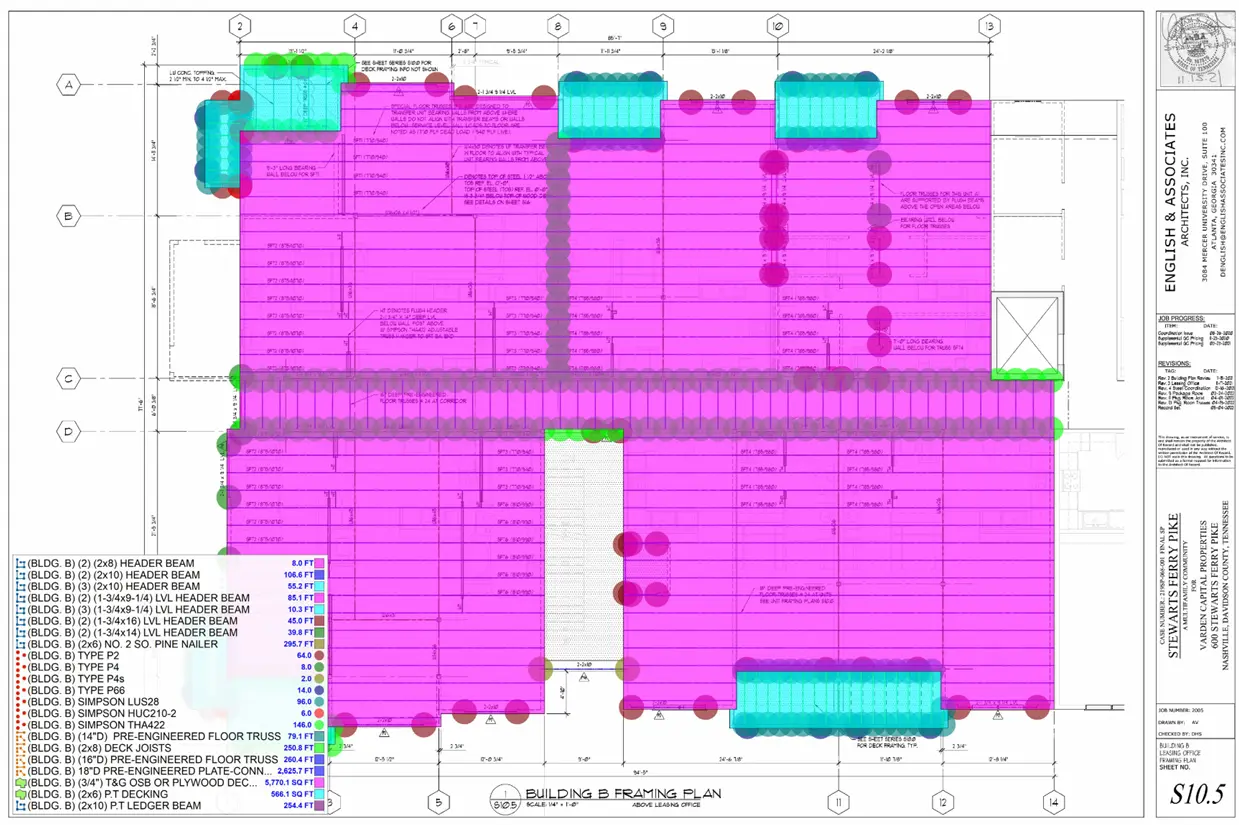
Subdivision Lumber Takeoff